
Portable load banks are essential tools in the testing, commissioning, and maintenance of electrical power systems such as generators, uninterruptible power supplies (UPS), and backup energy systems. These devices simulate real-world electrical loads to verify performance under full or partial operational conditions—ensuring reliability before critical deployment. As industries from data centers to hospitals increasingly rely on uninterrupted power, portable load bank testing has become a standard practice for quality assurance and compliance with international safety standards like IEC 60034-1 and IEEE 1159.
A typical portable load bank consists of resistive, reactive, or combination (RLC) elements that can be configured based on the type of load required. Resistive load banks dissipate electrical energy as heat using precision resistor blocks, making them ideal for testing generator output capacity and engine cooling systems. Reactive load banks introduce inductive or capacitive reactance, simulating motor or transformer loads—critical when evaluating voltage regulation, excitation system response, and harmonic distortion in three-phase systems. Combination load banks offer both resistive and reactive capabilities, allowing engineers to perform comprehensive load tests that mimic complex real-life scenarios.
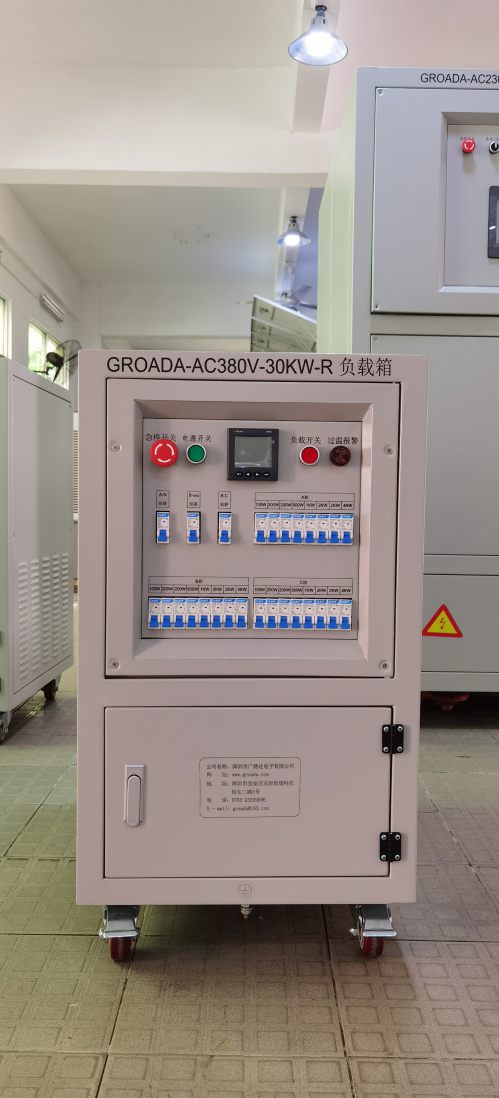
The design of modern portable load banks emphasizes mobility, safety, and smart control features. Units are typically housed in rugged steel enclosures rated IP54 or higher, enabling outdoor use in harsh environments. Cooling is managed via forced air (fans) or water-cooled systems depending on power rating—commonly ranging from 10 kW up to 2 MW per unit. For example, a 500 kW resistive load bank may weigh between 800–1200 kg and feature integrated lifting eyes and fork-lift pockets for safe transport across construction sites or industrial facilities.
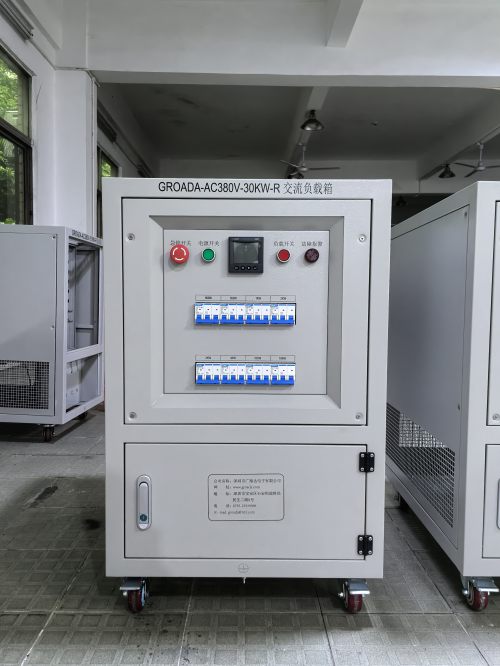
Electrical specifications must align with the target system’s voltage level (e.g., 230 V single-phase or 400 V three-phase), phase count, and frequency (50/60 Hz). Most portable units support adjustable power factors from 0.8 lagging to 1.0, which allows accurate simulation of mixed industrial loads including motors, lighting, and IT equipment. High-precision measurement instruments built into the load bank provide real-time feedback on voltage, current, active power (kW), reactive power (kVAR), and power factor (PF)—all traceable to NIST-calibrated standards.
Safety is paramount during load testing. Modern load banks include multiple protection layers: ground fault detection, short-circuit protection, overtemperature sensors, and emergency stop (E-STOP) buttons. Many models comply with CE, UL, and CCC certifications, ensuring adherence to regional electrical safety regulations. Thermal protection prevents overheating by automatically reducing load if internal temperatures exceed preset limits—typically around 120°C for resistor blocks. This safeguards against fire hazards and extends equipment lifespan.
Remote monitoring is now a key differentiator in advanced portable load banks. Via Modbus RTU/TCP, CAN bus, Ethernet, or RS-485 interfaces, users can remotely configure test profiles, monitor live parameters, and receive alerts via email or SMS. Some systems integrate cloud-based dashboards for centralized management across multiple sites—an advantage for large-scale operations such as telecom tower networks or remote mining projects.
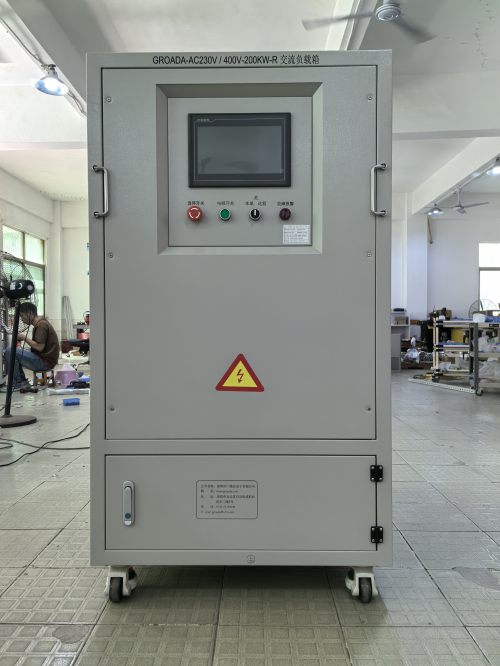
Case Study: An anonymized case study involving a 1 MW diesel generator at a hospital in Southeast Asia demonstrated the value of portable load bank testing. Prior to installation, the generator underwent factory acceptance testing (FAT) using a 750 kW resistive load bank. The test revealed poor voltage regulation under load due to an undersized exciter. After corrective adjustments, retesting confirmed stable operation within ±2% voltage variation—a result verified by IEC 60034-1 compliance. This prevented potential failures during actual blackouts, enhancing patient care continuity.
Another simulated example involved a 300 kVA UPS system in a data center. Using a programmable RLC load bank, engineers replicated peak server rack loads (0.9 PF lagging) over a 4-hour duration. The test identified insufficient battery charging time during simulated grid loss, prompting firmware updates to the UPS controller. Post-update validation showed a 15% improvement in runtime accuracy under stress conditions.
Calibration and maintenance are vital for consistent results. Manufacturers recommend annual calibration using certified equipment such as digital multimeters (DMMs) with 0.1% accuracy. Resistor blocks, fans, and contactors have predictable lifespans—typically 5–10 years—with replacement intervals tied to usage intensity. A recommended spare parts list includes fuse cartridges, thermistors, fan assemblies, and cable connectors to minimize downtime.
In summary, portable load banks are indispensable assets for any facility relying on reliable power generation. Whether used for pre-commissioning checks, periodic maintenance, or performance verification, these tools ensure that generators and UPS systems operate efficiently and safely under all expected operating conditions. By incorporating intelligent controls, robust safety mechanisms, and standardized testing protocols, they uphold the highest levels of engineering integrity while supporting global sustainability goals through optimized energy use.