
Portable load banks are essential tools for validating the performance of generators, uninterruptible power supplies (UPS), and backup power systems under real-world conditions. Unlike static or fixed load banks, portable units offer flexibility in testing locations—from construction sites to remote power stations—making them indispensable for field engineers, facility managers, and maintenance teams. These devices simulate electrical loads by converting electrical energy into heat through resistive, reactive, or combination (RLC) circuits, allowing users to verify system capacity, stability, and response times before actual deployment.
A typical portable resistive load bank operates at 30–50 kW per phase, with three-phase configurations up to 150 kVA, suitable for diesel generator sets used in hospitals, data centers, and industrial facilities. For more complex applications such as renewable energy integration or microgrid testing, reactive or capacitive load banks can emulate inductive or capacitive loads—common in wind farms or solar inverters—ensuring compatibility with grid codes like IEEE 1547.
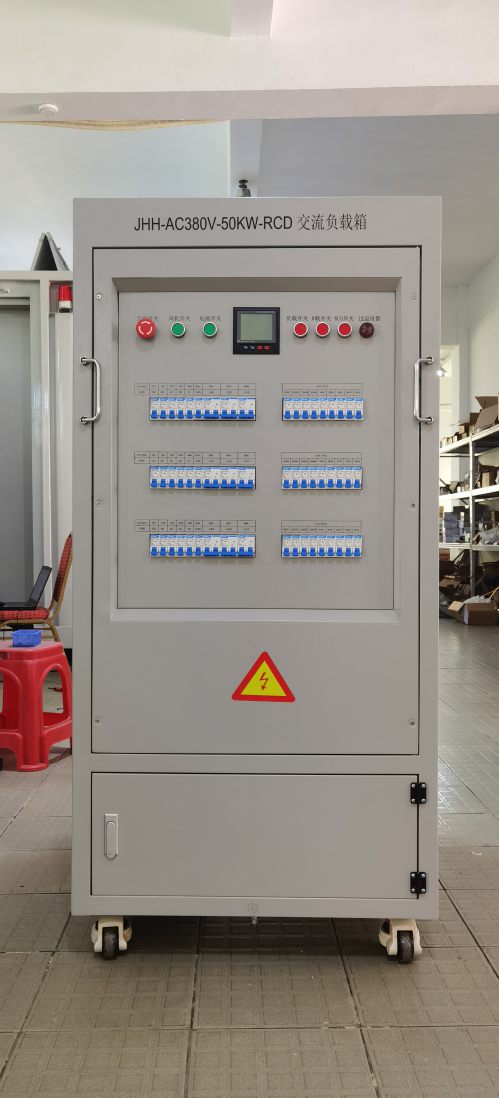
Modern portable load banks incorporate digital controls via Modbus RTU or Ethernet, enabling remote monitoring of voltage, current, active/reactive power, and power factor (PF). Built-in thermal protection, E-STOP functions, and CE/UL-certified grounding ensure safe operation even in high-risk environments. According to IEC 60034-1, motors and generators must undergo full-load testing to validate insulation integrity and mechanical endurance—portable load banks make this feasible without requiring permanent infrastructure.
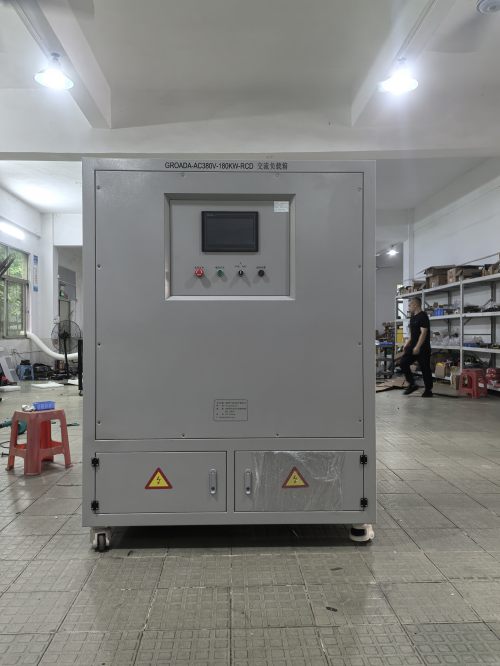
In an anonymized case study from a European data center, a 120 kVA portable load bank was used to test a new diesel generator during commissioning. Over 8 hours of continuous load application at 90% rated capacity confirmed stable frequency regulation within ±0.5 Hz and no overheating issues. This validated the system’s readiness for critical operations and prevented costly downtime post-installation.
These units typically weigh between 150–600 kg depending on power rating, feature IP54 enclosures for dust and splash resistance, and include lifting eyes and fork-lift pockets for safe transport. Maintenance includes annual calibration using Class 0.5 precision meters and replacement of resistor blocks every 3–5 years based on usage intensity.
For engineers seeking reliable, mobile, and standards-compliant testing solutions, portable load banks represent a critical investment in power system reliability and operational confidence.









