
Portable load banks are essential tools for testing the performance, reliability, and safety of generators, UPS systems, and renewable energy sources such as wind turbines or solar inverters. These devices simulate real-world electrical loads to ensure that power generation equipment operates efficiently under various conditions—from idle to full capacity. A well-designed portable load bank must provide accurate control over active (resistive), reactive (inductive or capacitive), and combined RLC loads, with precise measurement capabilities for voltage, current, power factor, and harmonic distortion.
For field engineers and maintenance teams, portability is critical. Modern load banks feature ruggedized enclosures (IP54 or higher), integrated lifting points, and compact designs that allow easy transport via truck, trailer, or even hand trucks. They are commonly rated from 10 kW up to 2 MW and available in single-phase or three-phase configurations, supporting both AC and DC applications. Key standards like IEC 60034-1 (for motor/generator testing) and IEEE 1159 (power quality) guide design requirements for electrical safety, thermal management, and electromagnetic compatibility.
Safety features include automatic shutdown on overtemperature, short-circuit protection, grounding compliance, and emergency stop buttons—critical for protecting personnel and equipment during high-load tests. Remote monitoring via Modbus RTU, Ethernet, or CAN bus allows operators to conduct tests from a safe distance while logging data for analysis. Calibration intervals typically range from 6 to 12 months, using NIST-traceable instruments, ensuring accuracy within ±1% for voltage, current, and power measurements.
An anonymized case study from a diesel generator manufacturer shows how a 500 kW resistive load bank validated unit performance before shipment, identifying a faulty excitation system that would have caused field failures. Another simulated example involving a microgrid integration project used a 200 kVA reactive load bank to verify inverter stability under lagging and leading power factor conditions—a key requirement for grid codes in EU and North America.
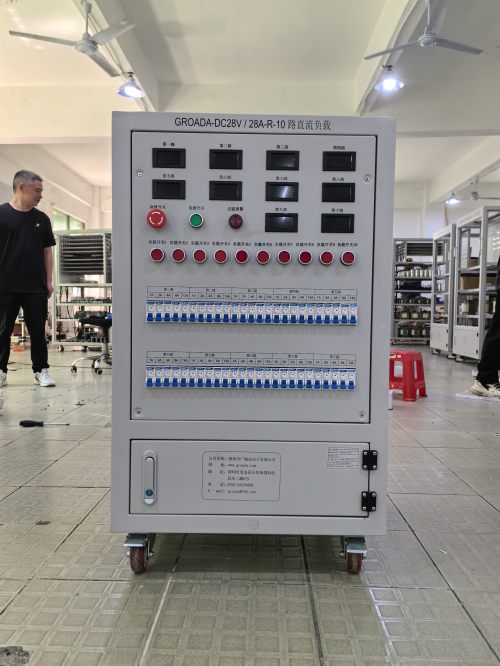
These tools are indispensable in factory acceptance testing (FAT), commissioning, and preventive maintenance programs across industries including oil & gas, telecom, healthcare, and data centers. Choosing the right portable load bank means balancing technical specifications, ease of use, and compliance with global safety standards.