
Portable load banks are essential tools for verifying the performance, reliability, and safety of power generation systems—especially generators used in industrial, commercial, and backup power applications. These devices simulate real-world electrical loads by drawing power from a generator or UPS system, allowing engineers to test under controlled conditions before deployment. A portable resistive load bank, for example, uses precision resistor blocks to dissipate electrical energy as heat, making it ideal for testing engine cooling, fuel consumption, and voltage regulation. For more complex scenarios such as grid-connected microgrids or wind farms, reactive or combination (RLC) load banks allow adjustment of power factor (PF), enabling thorough evaluation of reactive power handling, harmonic distortion, and system stability.
Modern portable load banks typically feature three-phase capability, with ratings from 50 kW to 1,000 kW, depending on application needs. Voltage levels commonly include 230 V, 400 V, and 690 V AC, while current ranges span from 50 A to 800 A per phase. Advanced models incorporate digital controls, remote monitoring via Modbus RTU or Ethernet, and automatic thermal protection. Safety is ensured through grounding compliance (IEC 60364), overtemperature sensors, short-circuit protection, and emergency stop functionality—all certified under CE, UL, or CCC standards based on regional markets.
Field data shows that using portable load banks during factory acceptance testing (FAT) reduces field failures by up to 30%, according to an anonymized case study from a European diesel generator manufacturer. In another simulated example involving a solar-plus-storage hybrid system, a 200 kW resistive-reactive load bank enabled validation of inverter response times and battery discharge profiles under varying load steps, confirming compliance with IEEE 1547-2018 requirements for distributed energy resources.
Key technical parameters like accuracy (±0.5% for active/reactive power), cooling methods (forced air or water-cooled), and portability (IP54-rated chassis, lifting eyes, fork pockets) ensure long-term operational integrity across diverse environments—from construction sites to offshore platforms. Regular calibration every 12 months and maintenance of fan assemblies and resistor blocks extend equipment lifespan.
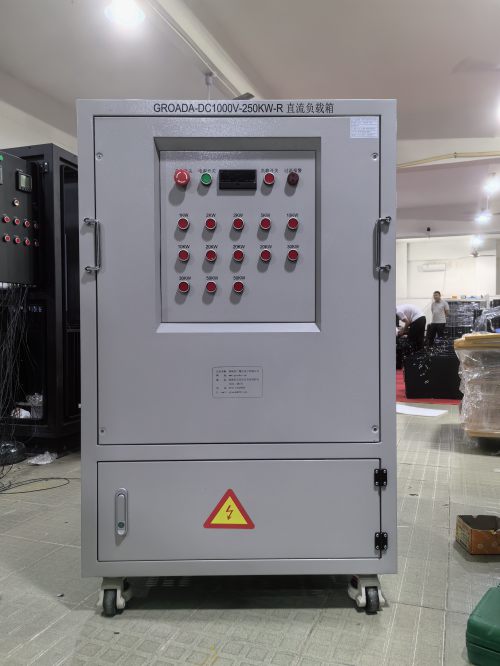
These systems are not only vital for new installations but also serve as critical diagnostic tools for preventive maintenance, ensuring uptime and minimizing costly downtime in mission-critical facilities.









