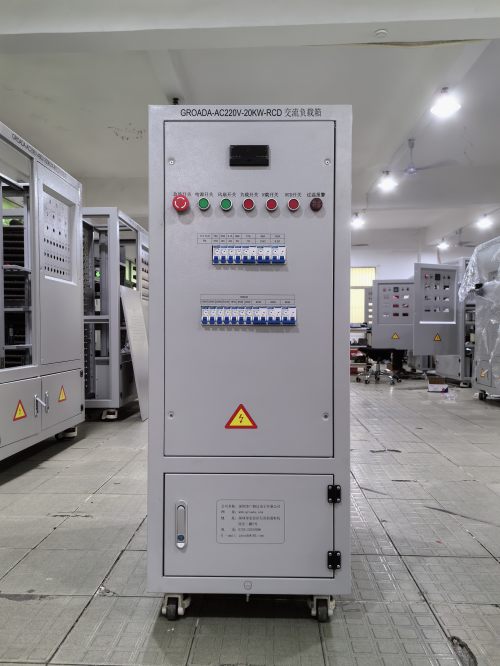
Portable load banks are essential tools for evaluating the real-world performance of generators, especially in industrial, construction, and emergency power applications. Unlike static or fixed installations, portable load banks offer flexibility in testing across multiple sites—whether it’s a factory acceptance test (FAT), commissioning of a new generator, or routine maintenance. These units simulate electrical loads by converting electrical energy into heat through resistive elements, allowing engineers to verify voltage regulation, frequency stability, fuel efficiency, and emissions under controlled conditions.
Modern portable load banks come in various configurations: resistive-only models for basic engine loading, reactive (inductive/capacitive) units for power factor testing, and combined RLC systems that mimic complex real-world loads such as motors, transformers, or UPS systems. They typically feature three-phase capabilities (up to 1000 kVA), remote control via Modbus or Ethernet, built-in digital meters for accurate power measurements, and automatic thermal protection to prevent overheating. For safety, they comply with IEC 60034-1 and UL/CE standards, with features like ground fault detection, overvoltage/undervoltage protection, and emergency stop buttons.
A simulated case study from a wind farm project in Northern Europe showed that using a 250 kW portable resistive load bank during grid connection tests revealed a 7% drop in voltage regulation when the generator operated at 50% load—prompting adjustments to the AVR settings before full commissioning. Similarly, a hospital in Singapore used a reactive load bank to validate its backup generator’s ability to handle inductive loads from MRI machines, ensuring uninterrupted operation during outages. These examples illustrate how portable load banks not only ensure compliance but also uncover hidden inefficiencies before they become critical failures.
When selecting a portable load bank, key considerations include power rating (kW/kVA), cooling method (air vs. water), portability (weight, wheels, lifting points), and communication interfaces for remote monitoring. Regular calibration every 12 months and replacement of resistor blocks every 3–5 years based on usage are recommended for maintaining accuracy and safety. With proper use and maintenance, these tools provide long-term value in reliability testing, regulatory compliance, and operational confidence.