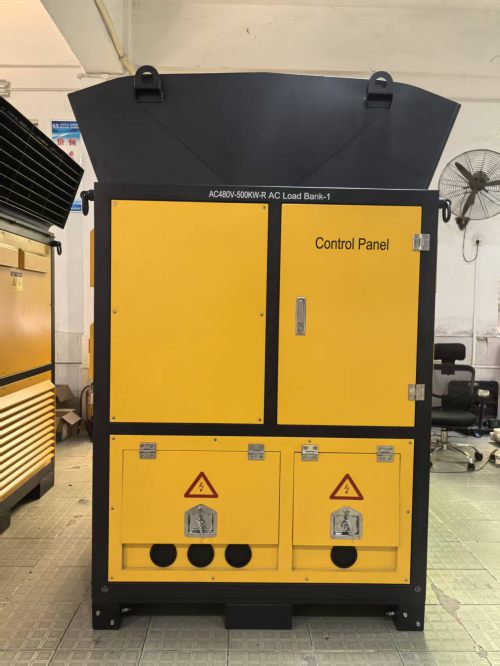
Load bank services play a critical role in ensuring the reliability, performance, and safety of electrical power systems—from diesel generators and backup UPS units to renewable energy installations like wind farms and microgrids. These services simulate real-world electrical loads, allowing engineers and operators to validate equipment under controlled conditions before actual operation.
A professional load bank service typically includes three main types: resistive, reactive, and combination (RLC) load banks. Resistive load banks convert electrical energy into heat using precision resistor elements—ideal for testing generator output capacity and voltage regulation. Reactive load banks introduce inductive or capacitive reactance to mimic motor or transformer loads, essential for evaluating generator excitation systems and power factor correction. Combination load banks provide both resistive and reactive components simultaneously, enabling comprehensive testing of complex systems such as those found in industrial facilities or data centers.
Modern load bank systems are engineered to meet international standards such as IEC 60034-1 for motor and generator testing and IEEE 1159 for power quality. These standards ensure safe operation, accurate measurements, and consistent results across global applications. Key technical parameters include rated power (from 5 kW up to 5 MW), voltage levels (240V–690V AC), three-phase configuration, adjustable power factor (0.1–1.0), and thermal protection with intelligent cooling via forced air or water-cooled systems. Advanced models support remote monitoring through Modbus, CAN, or Ethernet interfaces, allowing real-time data logging and diagnostics from centralized control rooms.
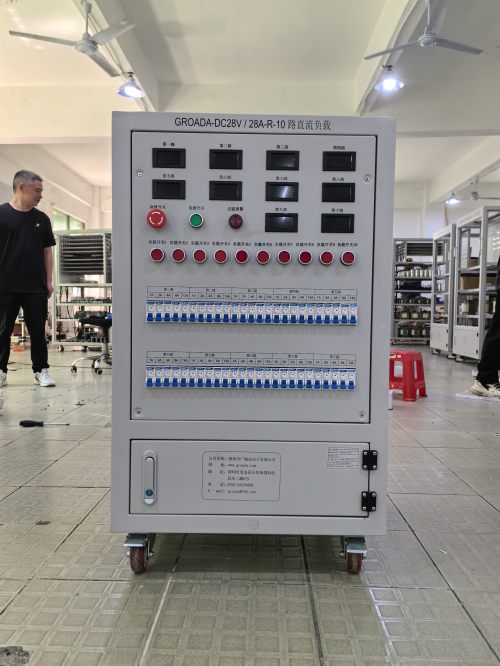
In practice, load bank services are used during factory acceptance tests (FAT), commissioning, preventive maintenance, and compliance verification for critical infrastructure. For example, an anonymized case study from a hospital’s backup power system revealed that regular load bank testing identified a failing alternator before it caused a blackout—saving over $200,000 in potential downtime costs. Similarly, portable load banks enable rapid on-site testing at remote solar farms where grid integration must be validated prior to commercial operation.
Safety is paramount. Certified load banks feature ground fault protection, short-circuit detection, emergency stop functions, and IP54-rated enclosures for harsh environments. They are often CE, UL, or CCC certified depending on regional market requirements. Maintenance involves annual calibration using NIST-traceable instruments, replacement of resistor blocks every 5–7 years, and periodic fan inspections to prevent overheating.
Whether you're a utility engineer, facility manager, or renewable energy developer, integrating load bank services into your testing protocol ensures operational resilience, regulatory compliance, and long-term cost savings.