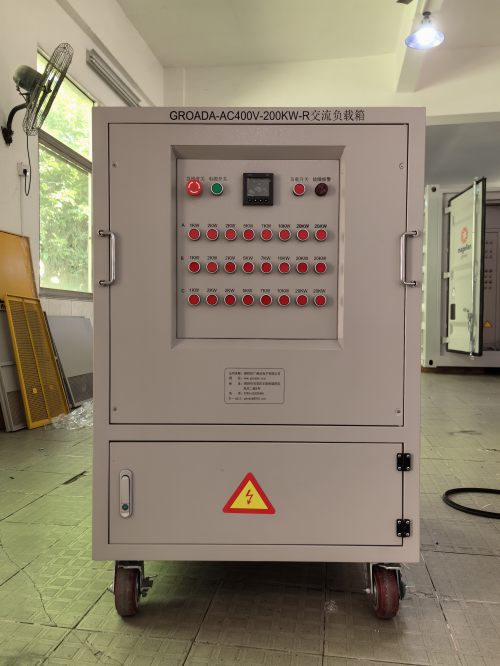
Portable Load Bank Testing Solutions for Generator and UPS Systems
Portable load banks are essential tools in the testing and validation of power generation systems, including diesel generators, gas turbines, and uninterruptible power supplies (UPS). These devices simulate real-world electrical loads to verify performance, efficiency, and safety under various operating conditions. Unlike fixed load banks used in industrial facilities, portable units offer flexibility for on-site testing—critical during commissioning, maintenance, or emergency preparedness scenarios.
The main body of this discussion covers three key aspects: types of load banks, their applications, and technical specifications that define reliability. Resistive load banks are the most common, converting electrical energy into heat through precision resistors. They test real power (kW) output and are ideal for generator load acceptance tests per IEC 60348 standards. Reactive load banks, often inductive or capacitive, evaluate reactive power (kVAR) handling—vital for systems connected to sensitive equipment like transformers or motors. Combination RLC load banks provide comprehensive testing by simulating both real and reactive power simultaneously, making them suitable for full-load verification of three-phase systems up to 1,500 kVA.
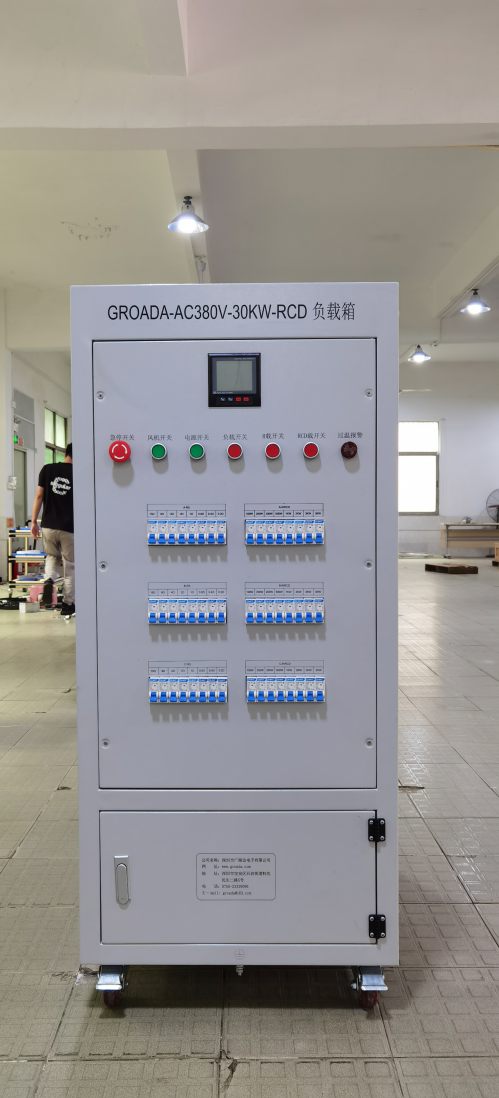
Modern portable load banks integrate advanced features such as remote control via Modbus TCP or RS-485, digital power measurement accuracy within ±0.5%, and thermal protection with automatic shutdown at 95°C. Cooling methods vary from forced-air to water-cooled systems, enabling continuous operation in high ambient temperatures. Mechanical design includes IP54-rated enclosures, lifting eyes, and fork-lift pockets for safe transport. Safety certifications such as CE, UL, and CCC ensure compliance across global markets.
In conclusion, selecting the right portable load bank depends on the specific application—whether it's factory acceptance testing (FAT), grid interconnection validation for renewable sources, or preventive maintenance of backup systems. Engineers must consider rated power, phase configuration, cooling capacity, and communication interfaces when specifying equipment. Proper use of these tools not only ensures regulatory compliance but also enhances system uptime, reduces failure risk, and supports sustainable energy operations.