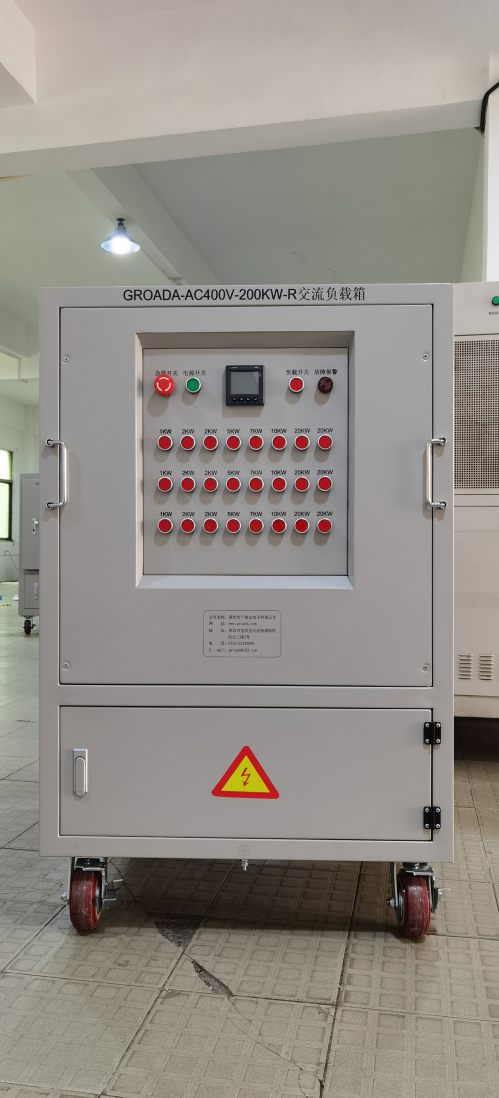
In today’s rapidly evolving energy landscape, ensuring the reliability of 12V DC power systems—such as those used in automotive, marine, telecommunications, and off-grid solar applications—is critical. A 12V DC load bank is a specialized test device that simulates real-world electrical loads to evaluate the performance, capacity, and safety of batteries, inverters, and power supplies under controlled conditions. Unlike simple discharge tests, a properly configured 12V DC load bank allows engineers to apply precise resistive loads at varying current levels, measure voltage stability, and validate system response over time. This type of testing is essential during factory acceptance tests (FAT), maintenance verification, and commissioning of backup power systems like UPS units or battery banks in remote sites. Modern 12V DC load banks often feature digital control interfaces, programmable load profiles, and built-in data logging for compliance with IEC 61439-1 standards on low-voltage switchgear. They may also include thermal protection, short-circuit detection, and remote monitoring via Modbus or Ethernet. Whether you're testing a car battery before deployment, verifying a telecom site’s backup system, or validating a new solar storage unit, a high-quality 12V DC load bank ensures consistent, repeatable results. With accurate power factor adjustment (typically 0.8–1.0), temperature compensation, and portability options (e.g., compact cabinets with lifting eyes), these tools are increasingly vital for both field technicians and lab-based engineers. By simulating actual usage scenarios—from steady-state operation to sudden load changes—users can detect early signs of degradation, optimize charging algorithms, and improve overall system lifespan.