
Portable load banks are essential tools for validating the performance, reliability, and safety of electrical power generation systems—from diesel generators to renewable energy inverters. Unlike static or fixed installations, portable load banks offer flexibility in testing locations, allowing engineers to conduct factory acceptance tests (FAT), commissioning checks, and routine maintenance without moving equipment. These devices simulate real-world electrical loads by converting electrical energy into heat, enabling precise evaluation of a generator’s ability to handle full capacity under controlled conditions.
A typical portable resistive load bank consists of high-power resistor blocks arranged in three-phase configurations, with ratings ranging from 50 kW to over 2 MW depending on application needs. Modern units often feature active cooling via forced air or water systems, ensuring consistent operation even during extended load cycles. Advanced models support remote monitoring through Modbus RTU or Ethernet interfaces, making them ideal for integration into smart grid test environments or predictive maintenance programs.
Key parameters include voltage levels (from 120V to 690V AC), current ranges up to 3000 A per phase, and adjustable power factor (typically 0.8 lagging to 1.0). Reactive load banks—used for testing reactive power capability—are increasingly common in wind turbine and solar farm commissioning, where grid compliance demands stable voltage regulation under varying loads. Capacitive or combined RLC load banks provide comprehensive testing for UPS systems, microgrids, and hybrid power plants.
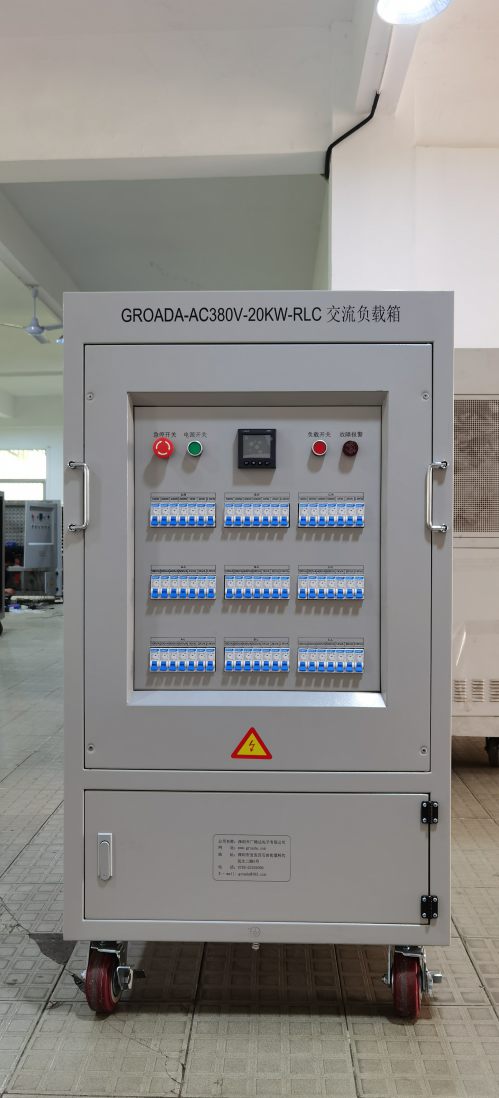
Safety is paramount: certified units meet IEC 60034-1 standards for motor and generator testing, with built-in protections including overtemperature sensors, short-circuit detection, and emergency stop functions. CE, UL, and CCC certifications ensure global compliance, while IP54-rated enclosures protect against dust and splashing water—critical for outdoor or industrial use.
Case studies show that using portable load banks reduces unexpected downtime by up to 40% in critical infrastructure projects like hospitals and data centers. For example, an anonymized case study at a 1.5 MW diesel generator site found that pre-installation load testing identified a faulty excitation system before commissioning, saving $75K in potential repair costs and avoiding operational delays.
Regular calibration (every 12 months) and fan/resistor block replacement every 3–5 years maintain accuracy and extend service life. With modular designs, many units are easily transportable using forklift pockets or lifting eyes, supporting quick deployment across diverse project sites worldwide.