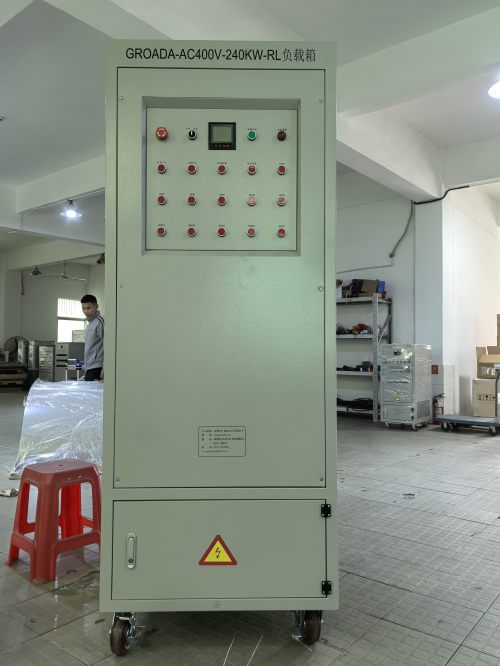
Resistive load banks are essential tools for verifying the performance, stability, and reliability of electrical power systems such as generators, uninterruptible power supplies (UPS), and backup power solutions. These devices simulate real-world electrical loads by converting electrical energy into heat through high-power resistors, allowing engineers to test system behavior under controlled conditions. Unlike reactive or capacitive load banks, resistive units provide a pure power factor of 1.0, making them ideal for evaluating active power delivery capability—critical in applications like factory acceptance testing (FAT), commissioning, and preventive maintenance.
A typical resistive load bank is designed for single-phase or three-phase operation, with ratings ranging from 5 kW up to several megawatts. Key parameters include voltage levels (e.g., 230 VAC or 400 VAC), current capacity, thermal management (air- or water-cooled), and precise measurement accuracy for voltage, current, active power, and power factor. Modern units often feature remote control via Modbus, Ethernet, or CAN bus interfaces, enabling automated load testing sequences and integration with SCADA systems. Safety features such as overtemperature protection, emergency stop (E-STOP), short-circuit protection, and grounding compliance ensure safe operation per IEC 60034-1 and IEEE standards.
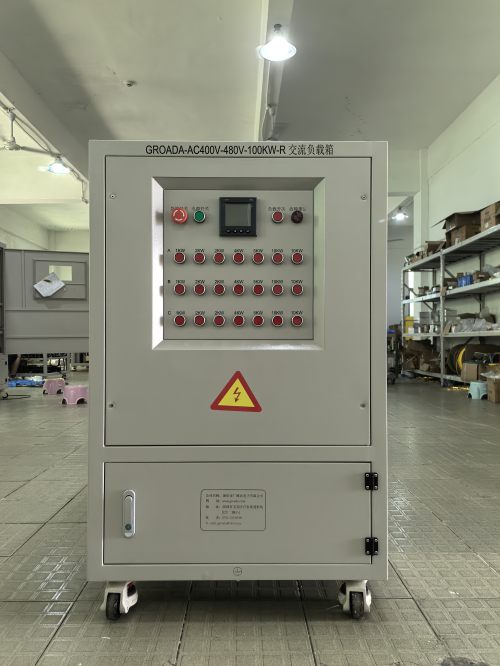
Portable resistive load banks are widely used in field testing scenarios due to their rugged chassis, IP54 rating, and lifting eyes for easy transport. Calibration intervals typically range from 12 to 24 months, using certified reference instruments like precision digital multimeters and calibrators. Common consumables—resistor blocks, fans, and cooling components—require periodic inspection and replacement based on operational hours and environmental conditions.
Case studies show that using resistive load banks during generator FATs helps identify issues like fuel system inefficiencies, voltage instability, or governor response delays before site installation. In one anonymized case study involving a 500 kVA diesel generator, full-load testing revealed an unexpected 3% voltage drop at 90% load, prompting a corrective adjustment to the automatic voltage regulator (AVR). This early detection saved thousands in potential downtime costs during critical operations.
For engineering teams, selecting the right resistive load bank means balancing power capacity, portability, control flexibility, and safety certifications (CE, UL, CCC). Proper testing not only ensures regulatory compliance but also builds confidence in system resilience across diverse environments—from data centers to remote mining sites.