
A temporary load bank is a critical tool used in the testing, commissioning, and validation of electrical power systems—especially generators, UPS units, and renewable energy sources like wind or solar farms. Unlike permanent load banks installed in fixed facilities, temporary load banks are portable, modular, and designed for short-term use during site-specific tests. They simulate real-world electrical loads to verify performance under various conditions, ensuring reliability before full-scale operation.
These systems are essential for factory acceptance testing (FAT), preventive maintenance, and emergency preparedness. For example, when a diesel generator is installed at a remote mining site, engineers must confirm it can handle full load without voltage drop, overheating, or fuel inefficiency. A temporary resistive load bank allows them to safely apply 100% of rated load while monitoring parameters such as frequency stability, temperature rise, and output power quality.
Modern temporary load banks offer advanced features including digital control interfaces (Modbus, CAN, Ethernet), remote monitoring via cloud platforms, and automatic load sequencing. Many models support reactive (inductive/capacitive) and combination RLC modes to test both active and reactive power characteristics—critical for grid-connected microgrids or inverters that must comply with IEEE 1547 standards.
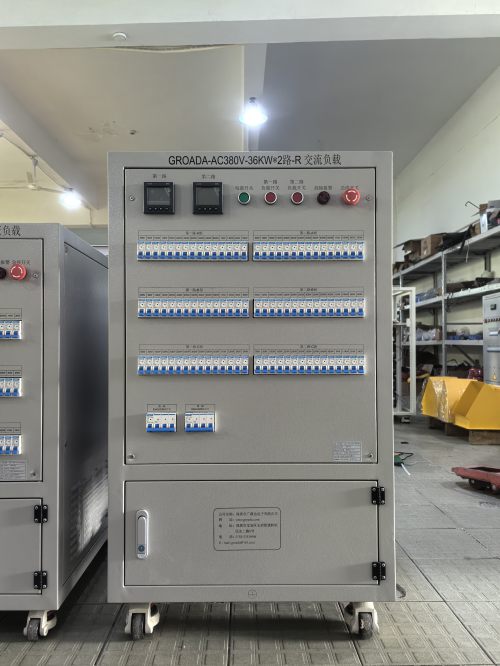
Safety is paramount: reputable units include thermal protection, overvoltage/undervoltage shutdown, E-STOP functions, and grounding compliance per IEC 60364. Mechanical design includes IP54-rated enclosures, fork-lift pockets, and integrated lifting eyes for easy transport. Calibration cycles typically range from 12 to 24 months using traceable standards, ensuring measurement accuracy within ±1%.
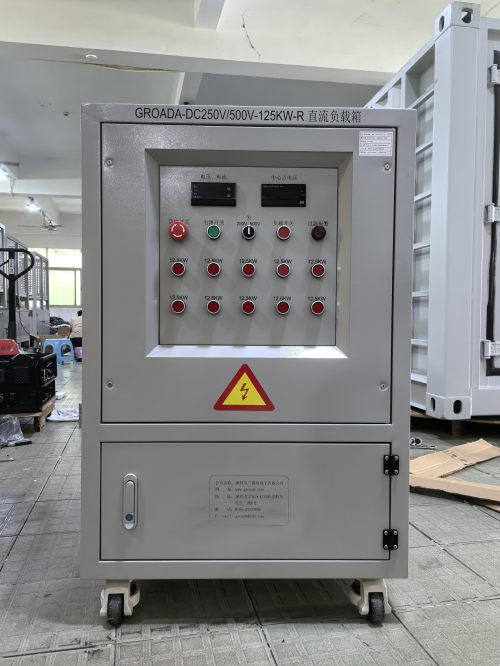
Case studies show that temporary load banks reduce downtime by up to 30% in critical infrastructure projects—such as hospitals or data centers—by identifying generator weaknesses early. One anonymized case from a 2 MW diesel generator installation in Southeast Asia revealed that load testing uncovered a faulty governor system only after applying 80% load, preventing a potential failure during a blackout.
Whether used in industrial plants, construction sites, or emergency response scenarios, temporary load banks provide measurable confidence in power system integrity, making them indispensable tools in modern engineering practice.









