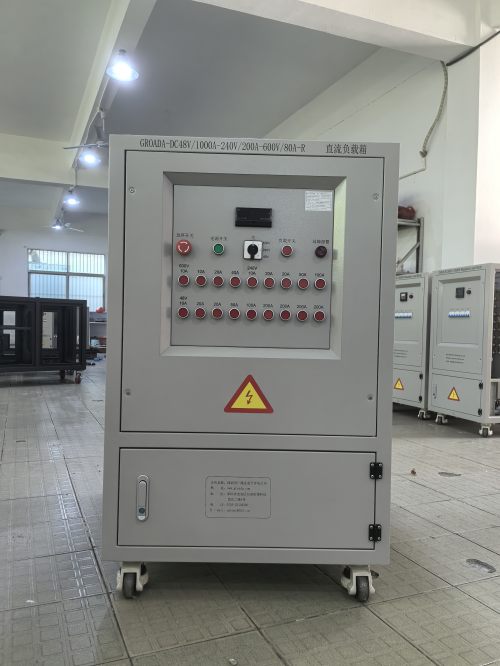
Load bank testing is a critical procedure used to verify the performance, reliability, and safety of power generation systems such as diesel generators, gas turbines, UPS units, and renewable energy sources like wind and solar farms. By simulating real-world electrical loads, load banks allow engineers to validate system behavior under full or partial load conditions without relying on actual site demand. This ensures that equipment functions correctly during emergencies, such as blackouts or grid failures.
One of the most common applications is factory acceptance testing (FAT) for new generator sets. During FAT, a resistive load bank applies controlled loads at various percentages—typically 25%, 50%, 75%, and 100%—to assess voltage regulation, frequency stability, fuel consumption, and cooling efficiency. For example, an anonymized case study from a hospital project showed that a 500 kW diesel generator passed all load tests at 100% capacity, with less than 2% voltage drop and stable engine temperature over a 4-hour continuous run—a key requirement per IEC 60348 standards.
Reactive and capacitive load banks are increasingly used in microgrid and hybrid power systems to test power factor correction and harmonic response. In a simulated example involving a 3-phase 480V solar-plus-storage installation, a combination RLC load bank helped fine-tune the inverter’s reactive power control, reducing total harmonic distortion (THD) from 8% to below 3%, thus meeting IEEE 1547 grid interconnection requirements.
Advantages include early fault detection, improved maintenance planning, compliance with safety regulations (such as UL 1008 and CE marking), and optimized system sizing. However, common problems include inadequate thermal management—especially in portable air-cooled models—and improper load sequencing, which can cause overheating or inaccurate measurements. Modern digital load banks now feature built-in sensors, remote monitoring via Modbus TCP/IP, and automatic load ramping, addressing these issues effectively.
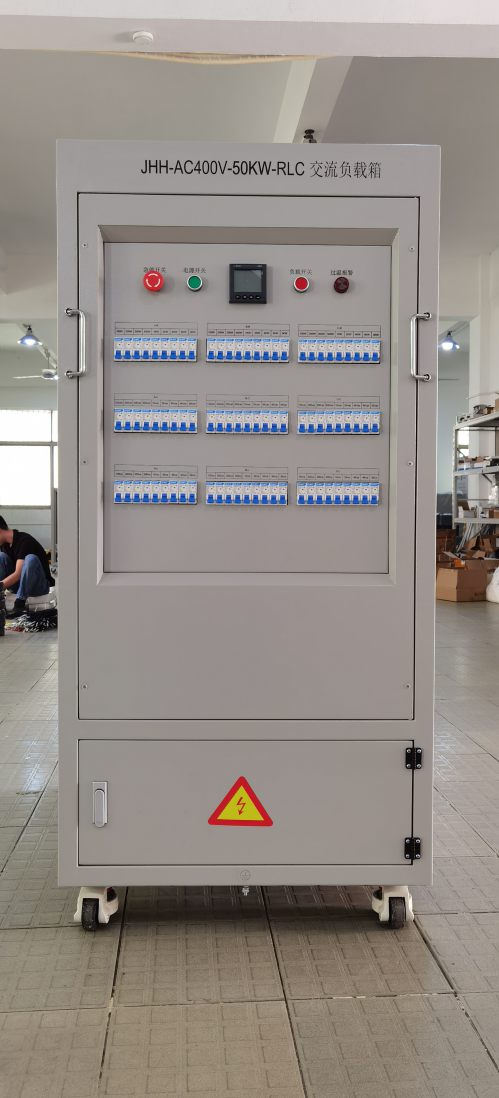
Latest trends involve integrating IoT-enabled load banks into predictive maintenance platforms, enabling real-time data logging and AI-based anomaly detection. These smart systems reduce downtime and improve asset lifecycle management across industrial, commercial, and utility-scale projects.