
Portable load banks are essential tools for testing generators, uninterruptible power supplies (UPS), and renewable energy systems such as solar or wind farms. These devices simulate real-world electrical loads to verify system performance under various conditions—from full capacity to partial load—ensuring reliability before deployment. A well-designed portable load bank must support accurate power delivery, robust safety features, and remote monitoring capabilities.
For generator factory acceptance testing (FAT), a three-phase resistive load bank typically delivers 100–1,000 kW at voltages ranging from 230 V to 480 V AC. The load is adjusted via stepless control to simulate varying loads, while digital meters measure voltage, current, active power, reactive power, and power factor with ±0.5% accuracy per IEC 60034-1 standards. Thermal protection and overtemperature sensors prevent overheating, especially during extended tests lasting up to 8 hours.
Reactive and capacitive components may be added for comprehensive testing of power factor correction systems in industrial settings. For example, a simulated case study from an offshore wind farm showed that using a combined RLC load bank improved grid synchronization by identifying phase imbalance issues early in commissioning. This led to reduced downtime and faster regulatory compliance.
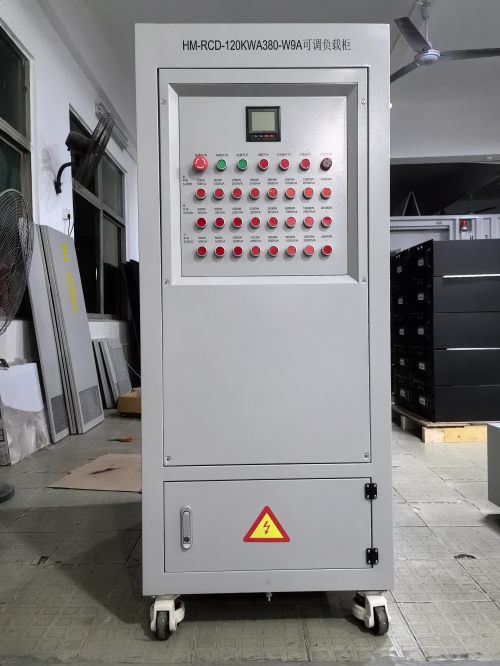
Modern portable load banks feature IP54 enclosures, integrated lifting eyes, and fork-lift pockets for safe transport across job sites. Communication interfaces like Modbus RTU and Ethernet enable integration into SCADA systems for remote diagnostics. Calibration is recommended annually using certified equipment such as Fluke 5500A calibrators, and resistor blocks have a typical lifespan of 5–7 years depending on usage intensity.
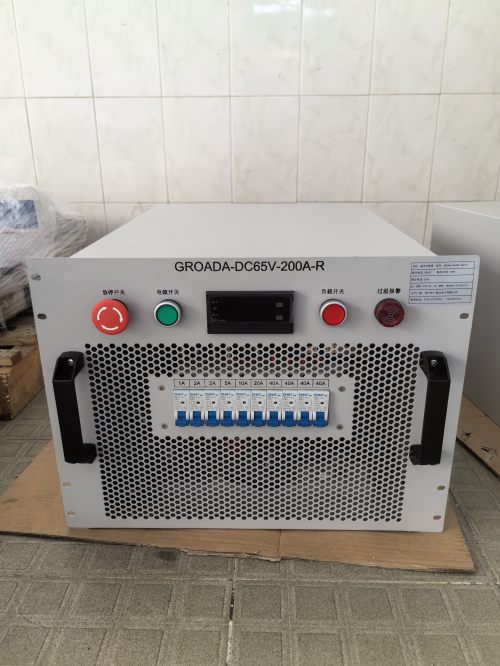
Compliance with CE, UL, and CCC certifications ensures global usability and adherence to safety regulations. Engineers rely on these tools not only for installation validation but also for routine maintenance checks that extend equipment life and prevent unexpected failures in critical infrastructure.