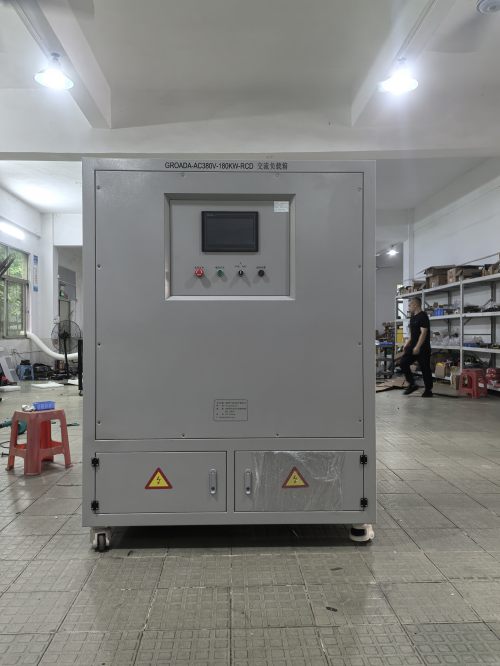
Portable load banks are essential tools for verifying the performance, reliability, and safety of generators in diverse applications—from emergency power systems to industrial facilities and renewable energy integration. These devices simulate real-world electrical loads, enabling engineers to test generator output under controlled conditions without relying on actual site demand. The introduction of portable load banks has transformed field testing by offering flexibility, accuracy, and scalability across both temporary and permanent installations.
The main body of this discussion covers key aspects of portable load bank design and application. Modern units typically offer resistive, reactive, or combination (RLC) load types, allowing precise control over power factor and waveform characteristics. For example, a 3-phase, 500 kW resistive load bank can be used to test diesel generators at full capacity, while an adjustable reactive load bank supports voltage regulation verification in alternators. Thermal management is critical—many models incorporate forced-air cooling with temperature sensors that trigger automatic shutdown if overheating occurs, per IEC 60034-1 standards for motor and generator thermal protection. Additionally, remote monitoring via Modbus TCP or CAN bus interfaces allows operators to manage multiple units from a central location, reducing manual intervention and improving data consistency.
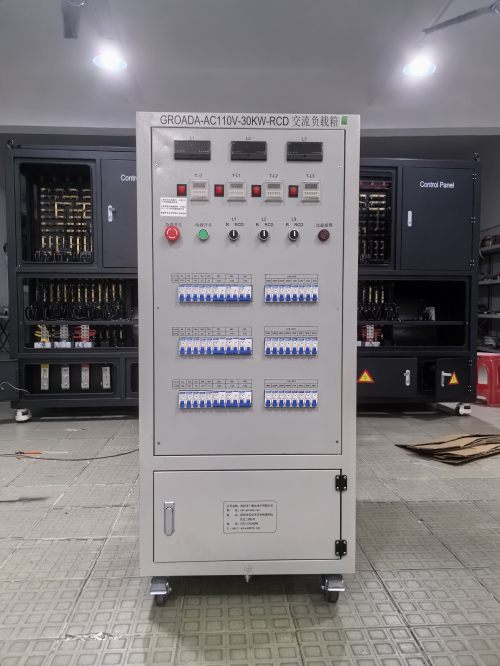
Safety features such as short-circuit protection, E-STOP buttons, and grounding compliance with UL/CE certifications ensure safe operation even in harsh environments. Mechanical portability—featuring IP54-rated enclosures, lifting eyes, and fork-lift pockets—makes these units ideal for mobile service teams. Calibration intervals are typically every 12 months using NIST-traceable equipment, ensuring measurement accuracy within ±1% for active power and ±2% for reactive power. A typical case study involving a wind farm’s grid connection test showed a 98% load acceptance rate when using a 250 kVA three-phase load bank, validating system stability before commissioning.
In conclusion, portable load banks are indispensable for rigorous generator testing, particularly in projects where uptime and power quality are mission-critical. Their adaptability, precision, and robust design make them suitable for use in both factory acceptance tests and on-site validation scenarios. As power systems become more complex—with hybrid microgrids and distributed generation—the role of intelligent, portable load testing solutions will only grow.