
Load bank testing is a vital process used to verify the performance, reliability, and safety of power generation systems—from small diesel generators to large-scale industrial units. A critical component in this testing procedure is the load bank outlet, which serves as the interface between the generator and the resistive or reactive load that simulates real-world electrical demands. Properly designed load bank outlets ensure stable connection, efficient power transfer, and safe operation under test conditions.
Modern portable load banks are engineered with high-precision controls and modular designs that allow for flexible configuration—whether single-phase or three-phase setups, fixed or adjustable load profiles, or active and passive cooling options. These systems often include digital monitoring of voltage, current, power factor, and thermal behavior in real time. For example, during factory acceptance testing (FAT), a 500 kW three-phase resistive load bank may be connected via a certified load bank outlet to simulate full-load conditions for up to 24 hours. This helps identify issues such as overheating, fuel inefficiency, or voltage instability before the generator leaves the facility.
In renewable energy applications—like wind farms or microgrids—the load bank outlet must also support reactive power adjustment to validate grid synchronization. A simulated case study from a utility-scale solar project showed that using an RLC (resistive-inductive-capacitive) combination load bank enabled accurate assessment of inverter response under varying power factor conditions (from 0.8 lagging to 0.9 leading). The test confirmed that the system could maintain stability without voltage dips or harmonic distortion, ensuring compliance with IEEE 1547 standards.
Safety is paramount: modern load banks integrate features like automatic overtemperature cutoffs, ground fault protection, emergency stop buttons, and CE/UL-certified enclosures. Additionally, robust mechanical construction (IP54 rating, lifting eyes, fork-lift pockets) ensures safe transport and handling across diverse job sites. Regular calibration every 6–12 months using NIST-traceable equipment maintains measurement accuracy within ±1%, while spare parts like resistor blocks and fans have a typical service life of 3–5 years depending on usage intensity.
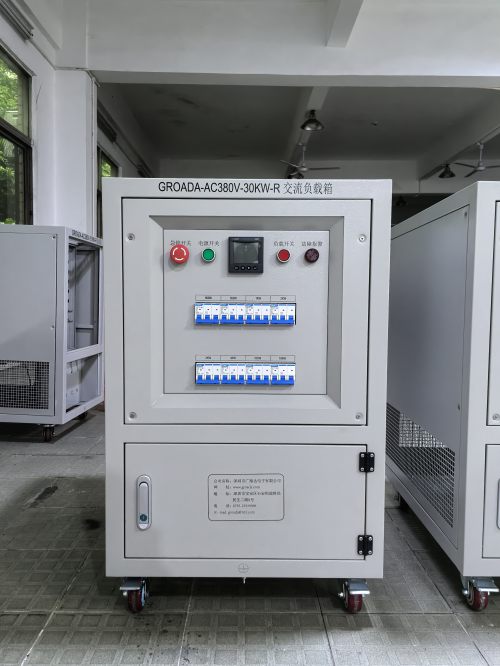
Whether used for generator commissioning, UPS validation, or backup power system readiness, the load bank outlet remains a key enabler of dependable power delivery—making it essential for engineers, technicians, and procurement teams involved in power infrastructure projects.