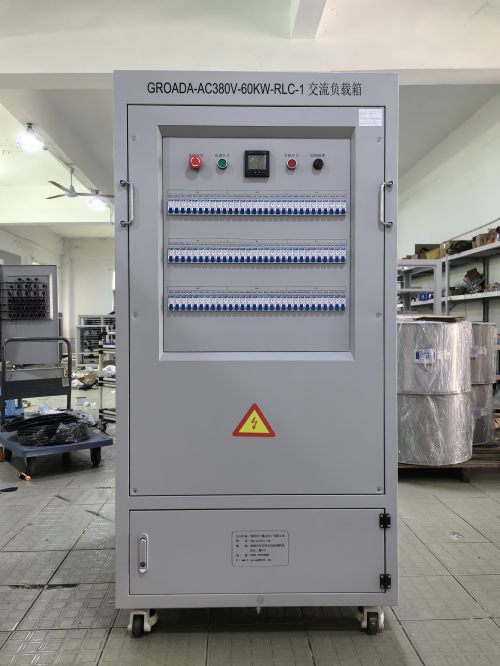
Portable load banks are essential tools for verifying the performance, reliability, and safety of power generation systems—from small diesel generators to large-scale utility installations. These devices simulate real-world electrical loads by drawing power from a source and converting it into heat, allowing engineers to test under controlled conditions without connecting to an actual grid or consumer load. A well-designed portable load bank ensures that generators can handle full-rated capacity, maintain stable voltage and frequency, and respond appropriately to sudden load changes—critical for applications such as backup power in hospitals, data centers, and industrial plants.
Resistive load banks are the most common type, simulating purely resistive loads like lighting or heating elements, while reactive load banks mimic inductive or capacitive loads found in motors and transformers. Combination (RLC) load banks provide comprehensive testing by applying all three types simultaneously, enabling full-load testing with variable power factor control—a key requirement for compliance with standards such as IEC 60034-1 and IEEE 1547 for generator and microgrid integration.
Modern portable load banks feature robust construction (IP54 rating), efficient air or water cooling, digital measurement accuracy within ±0.5%, and remote monitoring via Modbus RTU or Ethernet protocols. They often include thermal protection, overvoltage/undervoltage safeguards, and emergency stop functions to ensure safe operation in field environments. According to a 2023 study by the International Electrotechnical Commission (IEC), proper load testing reduces unplanned downtime by up to 40% in critical infrastructure settings.
An anonymized case study from a wind farm in Northern Europe showed that using a three-phase reactive load bank during commissioning helped identify phase imbalance issues before grid connection, leading to improved efficiency and reduced harmonic distortion. Such proactive testing not only meets regulatory requirements but also extends equipment life and enhances operational confidence.
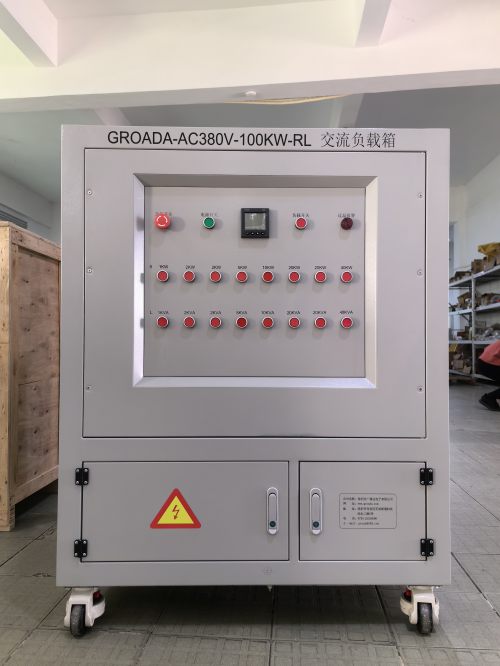
For procurement teams, choosing the right portable load bank involves evaluating rated power (typically 10–1000 kW), phase configuration, portability (with lifting eyes and fork-lift pockets), and calibration intervals (recommended annually). Maintenance includes checking resistor blocks, fan assemblies, and ensuring consistent airflow—key factors for long-term thermal stability.