
In modern power systems, ensuring the reliability of generators and grid-connected equipment requires rigorous load testing under real-world conditions. A critical aspect of this process is the load bank docking state—the precise configuration and connection of a load bank to a power source such as a generator or UPS system. This docking state determines whether the test accurately simulates operational stress, validates performance limits, and confirms safety compliance.
A properly established load bank docking state involves mechanical alignment (e.g., secure cable connections, proper grounding), electrical compatibility (voltage matching, phase synchronization), and control integration (remote monitoring via Modbus or Ethernet). For example, in a three-phase resistive load bank used during factory acceptance testing (FAT) of a 500 kW diesel generator, the docking must ensure balanced loading across all phases—typically verified using a calibrated multimeter and power analyzer per IEC 60034-1 standards.
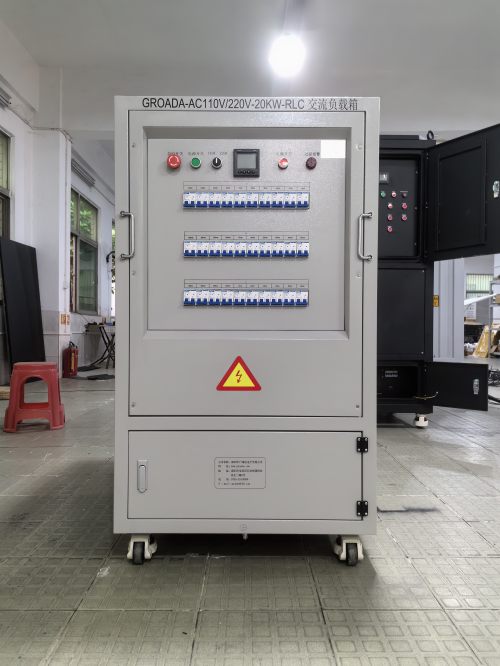
During the docking phase, engineers must also confirm that thermal protection mechanisms are active; if not, overheating from high-current operation could damage resistor blocks or cause false test results. Portable load banks often include interlocks and E-STOP functions compliant with UL/CE certification, which must be engaged before energizing the circuit.
Case studies show that improper docking states lead to uneven load distribution, reduced test validity, and even equipment failure. In one anonymized case study involving a microgrid integration project, an incomplete docking led to phase imbalance (measured at +12% deviation), prompting premature shutdown of the generator. After correcting the docked configuration, the system passed full-load tests at 100% capacity over 8 hours, confirming stable grid synchronization.
The docking state also affects remote diagnostics and data logging capabilities—modern load banks support RS-485 or CAN communication protocols for continuous measurement of voltage, current, power factor, and temperature rise. These metrics enable predictive maintenance and improve long-term system resilience.
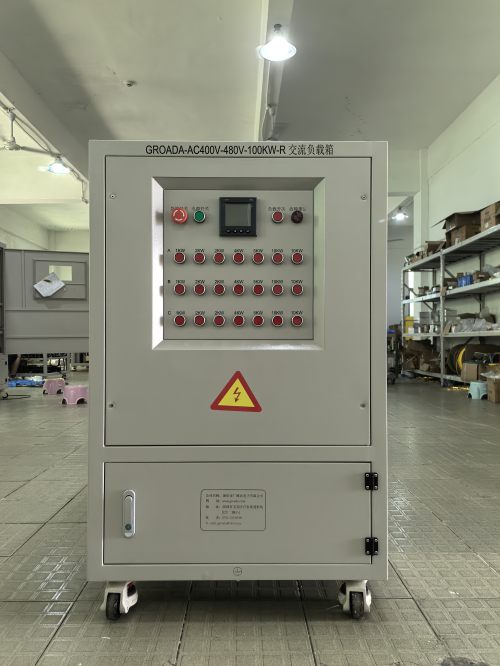
Ultimately, mastering the load bank docking state is not just about technical setup—it’s foundational to safe, accurate, and repeatable load testing in applications ranging from emergency power systems to renewable energy integration. Engineers must treat each docking as a controlled procedure, following standardized checklists aligned with IEEE 1159 and IEC 62040-3 guidelines.