
Portable load banks are essential tools for validating the performance, reliability, and safety of electrical power systems such as diesel generators, uninterruptible power supplies (UPS), and renewable energy sources like solar or wind farms. These devices simulate real-world electrical loads by drawing power from a source—typically in the form of resistive, reactive, or combination (RLC) loads—and allow engineers to test under controlled conditions without relying on actual site demand.
For example, during factory acceptance testing (FAT) of a 500 kW three-phase generator, a portable resistive load bank can apply up to 100% of rated load over several hours while monitoring voltage stability, frequency response, and fuel efficiency. Similarly, in data center environments, a reactive load bank helps assess how a UPS system handles lagging or leading power factor scenarios, which is critical when powering IT equipment with non-linear loads.
Modern portable load banks often feature advanced control systems via Modbus TCP, CAN bus, or Ethernet interfaces, enabling remote monitoring and automated load step changes. They also include built-in thermal protection, overcurrent safeguards, and emergency stop functions that comply with IEC 60204-1 (safety of machinery) and UL 1598 (luminaires and accessories). Cooling mechanisms—either forced air or water-cooled—ensure stable operation even at full load for extended durations, typically up to 4 hours continuously.
A simulated case study from a microgrid project in Germany showed that using a 300 kVA portable RLC load bank allowed operators to validate grid synchronization before commissioning. The test revealed a 3% voltage dip during load switching, prompting adjustments to the inverter’s droop control settings—a fix that improved system resilience. This highlights the importance of load bank testing not only for compliance but also for optimizing operational performance.
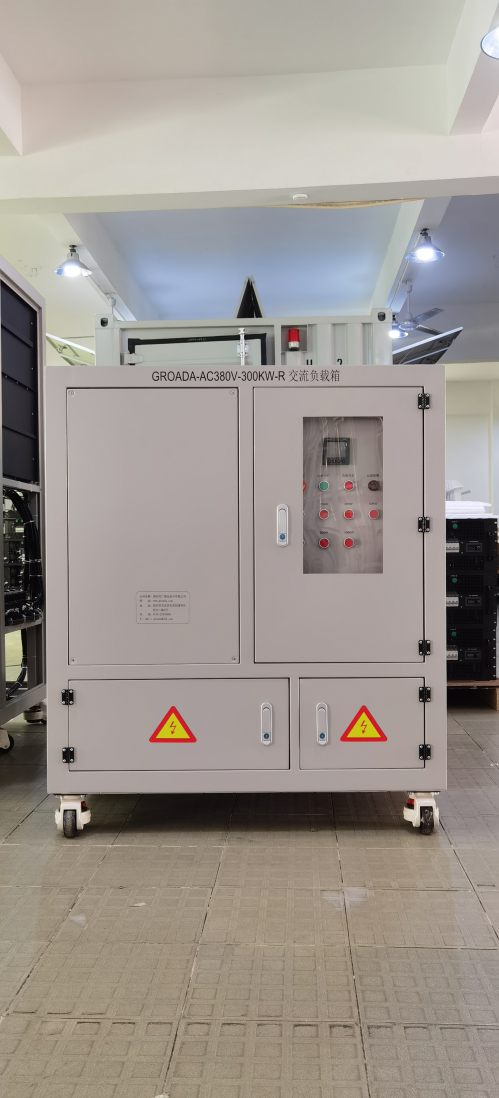
Engineers increasingly favor mobile solutions due to their flexibility, scalability, and integration with digital twins or SCADA systems. With proper calibration (recommended every 12 months per ISO/IEC 17025 standards) and regular maintenance of resistor blocks and fans, these units provide decades of service life. As global energy infrastructure grows more complex, portable load banks remain indispensable for ensuring uptime, safety, and regulatory compliance.