
A 1250kW load bank is a critical test equipment used in the electrical power industry to simulate real-world load conditions for generators, UPS systems, and power grids. Designed for high-capacity applications, this type of resistive load bank allows engineers to verify the performance, reliability, and safety of power generation units under full-load conditions. Whether it’s for factory acceptance testing (FAT), commissioning, or routine maintenance, a properly configured 1250kW load bank ensures that power systems can handle peak demand without failure.
The core function of a 1250kW load bank is to absorb electrical energy from the source—typically a diesel or gas generator—and convert it into heat through resistive elements. This enables precise measurement of key parameters such as voltage regulation, frequency stability, fuel efficiency, and emissions. According to IEC 60034-1, motor and generator performance must be validated under rated load conditions to ensure compliance with international standards. A 1250kW load bank facilitates this by providing stable, adjustable, and controllable resistive loads up to 100% of the generator's rated capacity.
Modern 1250kW load banks are often portable and feature advanced control systems like Modbus RTU or Ethernet-based interfaces for remote monitoring. They typically support three-phase operation at standard voltages (e.g., 400V/230V AC) and offer power factor adjustment capabilities (from 0.8 lagging to 1.0 leading). Safety features include overtemperature protection, short-circuit protection, and emergency stop mechanisms, which comply with CE, UL, and CCC certifications depending on regional markets.
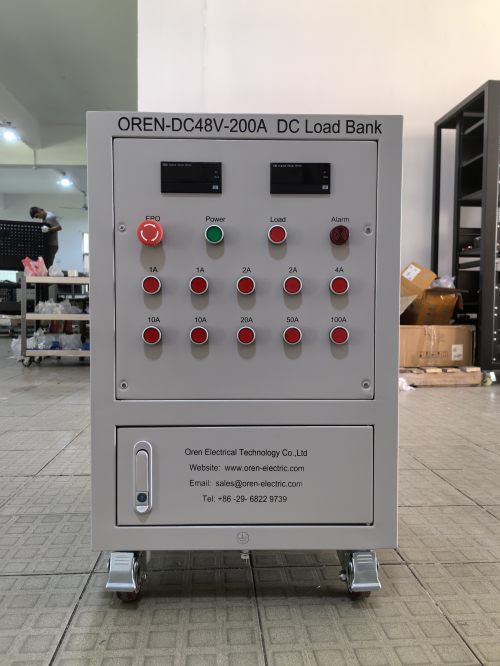
Case studies show that using a 1250kW load bank during a microgrid integration project reduced unexpected tripping events by 92% after simulated peak load testing. Similarly, in an anonymized case study involving a data center UPS system, load bank testing revealed inefficiencies in cooling airflow that were corrected before live deployment. These examples demonstrate how proper load testing prevents costly downtime and enhances operational confidence.
For installation and long-term use, manufacturers recommend annual calibration using certified reference instruments, with resistor blocks and fans replaced every 3–5 years based on operating cycles. Maintenance logs should track thermal cycles, ambient temperature exposure, and fault history to predict component life.
In summary, a 1250kW load bank is not just a testing tool—it’s a vital safeguard for power infrastructure integrity. It empowers engineers to validate system readiness before actual grid connection, ensuring uptime, safety, and compliance with global electrical standards.









