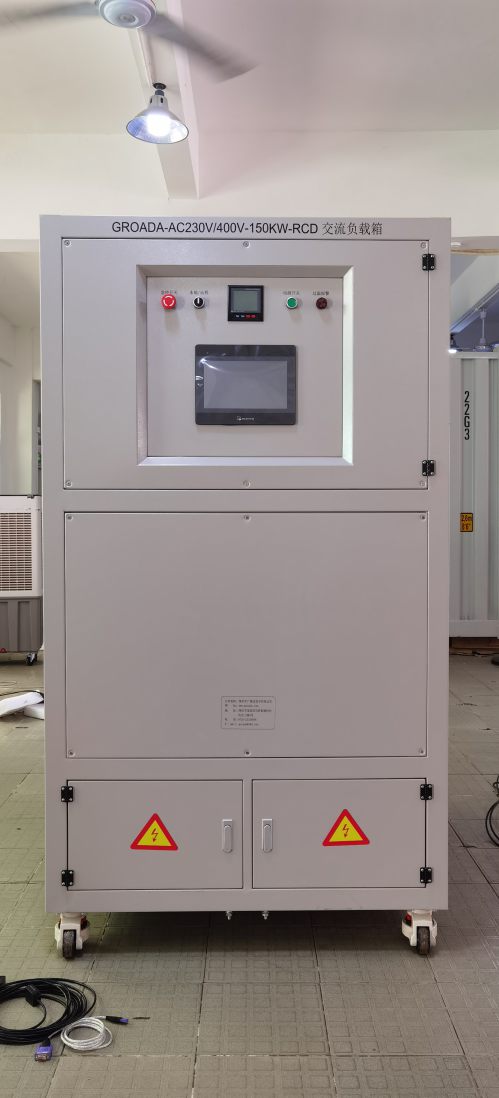
Load bank testing is a critical procedure used to validate the performance, reliability, and safety of generators, uninterruptible power supplies (UPS), and other electrical power systems. It simulates real-world load conditions without requiring an actual power-consuming environment, making it ideal for factory acceptance tests, commissioning, maintenance, and grid integration scenarios.
The main body of load bank testing involves applying controlled resistive, reactive, or combined (RLC) loads to evaluate how a power source behaves under various operating conditions. Resistive load banks convert electrical energy into heat using precision resistor blocks—ideal for testing generator output capacity and engine cooling systems. Reactive load banks introduce inductive or capacitive reactance to simulate motors, transformers, or electronic loads, allowing assessment of voltage regulation and power factor correction. Combination load banks provide both types of load simultaneously, offering comprehensive validation for three-phase systems commonly found in industrial facilities and data centers.
Modern load banks are designed with advanced control systems, such as Modbus or CAN communication protocols, enabling remote monitoring, automated load steps, and real-time measurement of voltage, current, active and reactive power, and power factor. They often include built-in thermal protection, short-circuit safeguards, and emergency stop functionality to meet IEC 60034-1 and IEEE 115 standards for motor and generator testing. Cooling methods vary—from air-cooled units for portable models to water-cooled designs for high-power applications—ensuring safe operation even during extended test durations.
A typical application includes a simulated case study where a 500 kW diesel generator was tested using a three-phase resistive load bank over a 12-hour period. The test confirmed stable output voltage within ±2%, no overheating, and full compliance with manufacturer specifications. Post-test analysis revealed that the generator’s fuel efficiency improved by 8% after tuning based on load bank data—a benefit often overlooked in routine inspections.
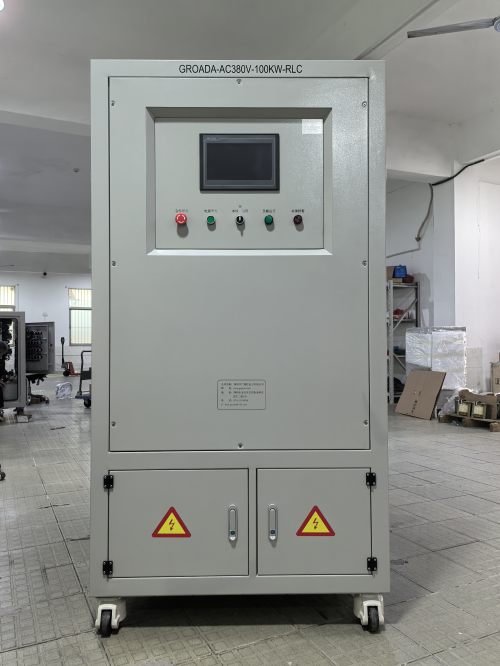
In conclusion, load bank testing ensures that power systems perform reliably under stress, prevents unexpected failures, and extends equipment life. Whether used for new installations or periodic maintenance, integrating standardized load testing procedures supports operational excellence in critical infrastructure across industries.