
Load bank testing is a critical process in the commissioning, maintenance, and performance validation of electrical power systems—particularly generators, UPS (Uninterruptible Power Supply) units, and renewable energy sources like wind or solar farms. Whether in industrial facilities, data centers, hospitals, or remote construction sites, ensuring that a generator can deliver its rated output under realistic conditions is not just best practice—it's often mandated by international standards such as IEC 60034-1 and IEEE 1159.
A load bank simulates real-world electrical loads without consuming actual power from the grid or requiring an external source. It allows engineers to test how a generator behaves when subjected to varying levels of current draw, voltage regulation, frequency stability, and thermal stress. This ensures system reliability before it’s deployed in emergency situations or during routine operation.
There are four main types of load banks: resistive, reactive, capacitive, and combination (RLC). Resistive load banks are the most common—they convert electrical energy into heat using precision resistor elements, making them ideal for evaluating a generator’s ability to handle pure active power. Reactive load banks simulate inductive or capacitive loads (like motors or transformers), which influence the generator’s power factor and excitation system behavior. Capacitive load banks, less frequently used, help test systems that might experience leading power factors—such as those with large capacitor banks or certain types of inverters. RLC load banks combine all three functionalities into one unit, enabling comprehensive testing of both active and reactive power characteristics simultaneously.
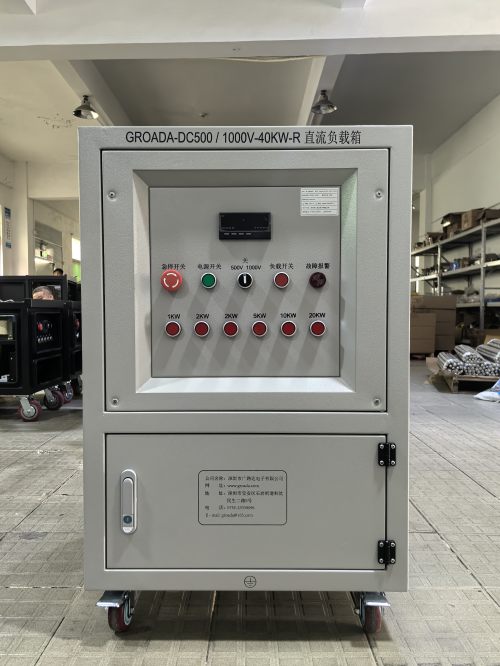
For example, during factory acceptance testing (FAT), a 500 kVA diesel generator may be tested at 100% resistive load for 2 hours to verify steady-state performance. Then, a reactive load bank might apply a lagging 0.8 power factor load for another hour to assess voltage regulation and automatic voltage regulator (AVR) response. In more advanced applications—such as microgrid integration for wind farms—a combined RLC load bank could simulate complex load profiles over several days to validate synchronization with utility grids under fluctuating generation scenarios.
Safety is paramount in load bank operations. Modern portable load banks comply with CE, UL, and CCC certification standards, featuring robust grounding systems, short-circuit protection, overtemperature sensors, and emergency stop (E-STOP) buttons. For instance, a typical 100 kW resistive load bank will include thermocouple-based temperature monitoring across multiple zones; if any zone exceeds 120°C, the system automatically shuts down to prevent fire hazards. Additionally, many models offer remote monitoring via Ethernet or Wi-Fi connectivity for safe operation in high-risk environments.
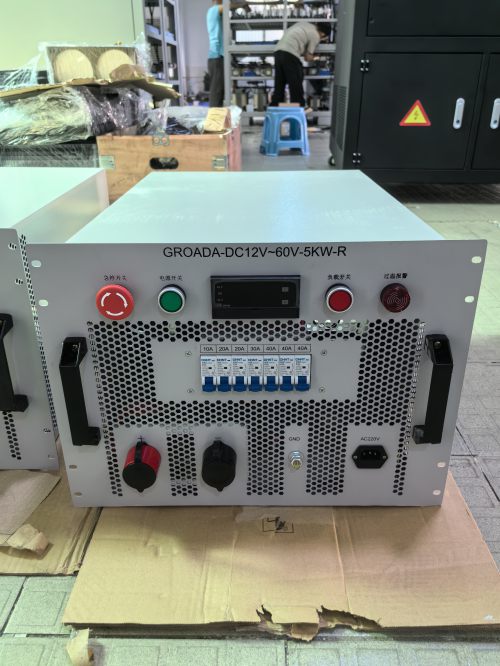
Mechanical design also plays a crucial role in usability. Units should have IP54-rated enclosures for dust and water resistance, especially for outdoor installations. Chassis-mounted lifting eyes and forklift pockets allow easy handling even for heavy-duty units up to 1000 kg. Some manufacturers provide modular designs where users can scale capacity by adding blocks—ideal for field service teams needing flexibility across different site requirements.
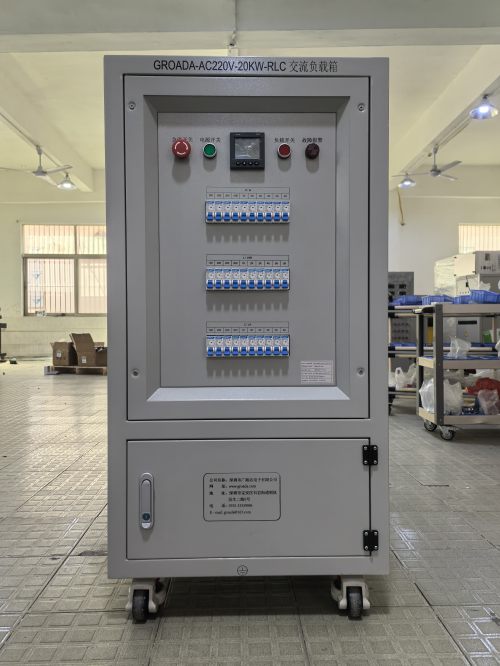
Calibration and maintenance schedules must be strictly followed. According to ISO/IEC 17025 guidelines, load banks require annual calibration using traceable reference standards such as precision wattmeters and digital multimeters calibrated against NIST-traceable sources. Consumables like resistor blocks typically last 3–5 years depending on usage intensity and ambient conditions, while cooling fans should be replaced every 2–3 years due to wear from continuous airflow exposure.
In practical terms, consider an anonymized case study from a hospital backup power system upgrade project. A 1 MW generator was tested using a 600 kW resistive + 300 kVA reactive load bank setup. Over 12 hours, the generator demonstrated stable voltage within ±2%, consistent frequency deviation (<0.5 Hz), and no overheating issues in the AVR components. Post-test analysis revealed minor improvements needed in the fuel delivery system, which were addressed before full commissioning. This proactive approach avoided costly downtime during peak patient care periods.
Similarly, in a simulated offshore wind farm connection scenario, a 2 MW synchronous generator was evaluated using a programmable RLC load bank capable of cycling between 25% and 100% load over 48-hour periods. The test confirmed the generator’s ability to maintain synchronism with the grid despite sudden load changes—a key requirement for compliance with IEEE 1547 for distributed generation interconnection.
These examples underscore why load bank testing isn’t optional—it’s essential for verifying technical readiness, preventing catastrophic failures, and ensuring operational resilience. As global infrastructure becomes increasingly dependent on resilient power solutions—from smart cities to AI-driven data centers—the demand for accurate, reliable, and standardized load testing methods continues to grow.
To stay ahead, engineers must understand the nuances of each load bank type, adhere to relevant safety standards, and leverage modern tools like automated logging and predictive analytics. With proper planning and execution, load bank testing transforms from a procedural obligation into a strategic asset for maintaining uptime, optimizing efficiency, and safeguarding lives and operations worldwide.