
Electrical load banks are essential tools used to simulate real-world electrical loads in power systems, ensuring the reliability and performance of generators, UPS units, and renewable energy systems before they are deployed. These devices allow engineers and technicians to verify that a power source can handle its intended workload under controlled conditions—critical for factory acceptance testing (FAT), commissioning, and preventive maintenance. A load bank works by converting electrical energy into heat through resistive elements, or by introducing reactive components like inductors and capacitors to mimic the behavior of motors, transformers, or other industrial equipment.
There are three main types: resistive, reactive, and combination (RLC) load banks. Resistive load banks are the most common—they test the generator’s ability to supply real power (watts) and are ideal for checking fuel consumption, cooling system efficiency, and engine response. Reactive load banks, often inductive or capacitive, evaluate how a generator handles reactive power (VARs), which is crucial when powering inductive loads such as compressors or large motors. RLC load banks provide a complete simulation of mixed loads found in commercial buildings, data centers, and industrial plants.
Portable load banks offer flexibility for on-site testing at construction sites, remote locations, or during emergency preparedness drills. They must meet stringent safety standards such as IEC 60034-1 for motor testing and IEEE 1159 for power quality—ensuring compliance with international regulations. Features like overtemperature protection, grounding, and emergency stop (E-STOP) mechanisms make them safe for continuous use. Modern units include digital control panels, remote monitoring capabilities, and automatic calibration cycles every 12 months using NIST-traceable equipment.
For example, an anonymized case study from a wind farm project showed that using a 500 kW three-phase resistive load bank during grid synchronization testing helped identify an issue with the turbine's voltage regulation system, allowing corrective action before full operation began. This prevented potential downtime and ensured compliance with utility interconnection requirements.
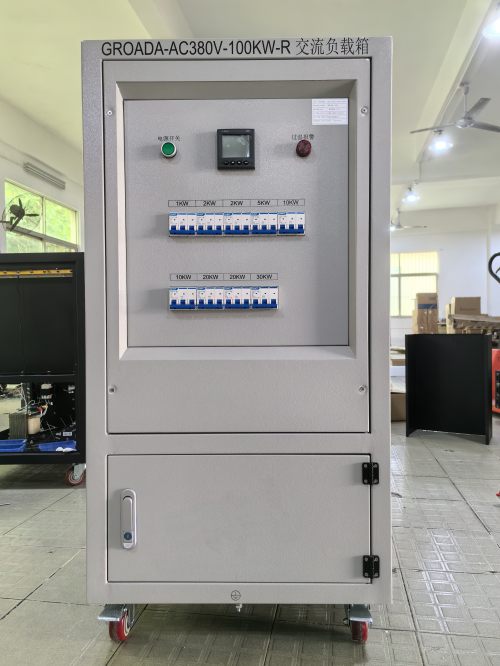
Load bank testing supports both short-term diagnostics and long-term asset management—making it indispensable for power infrastructure resilience across industries including healthcare, manufacturing, and telecommunications.









