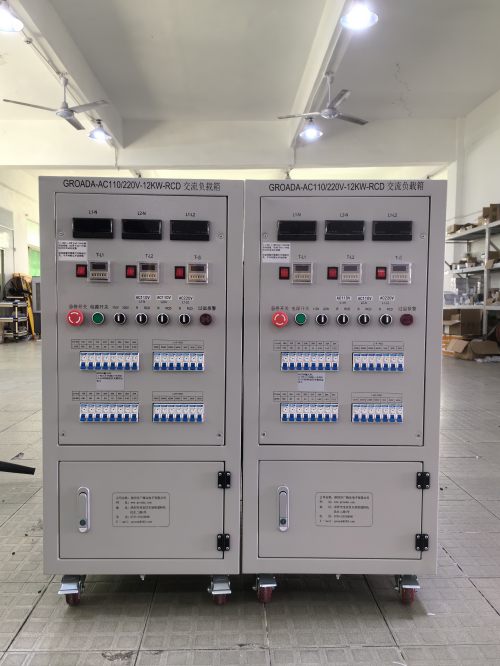
Portable load banks are essential tools in the electrical testing and validation of generators, UPS systems, and renewable energy sources like wind turbines and solar farms. These devices simulate real-world electrical loads to verify performance under various operating conditions—ensuring reliability before commissioning or during routine maintenance. Unlike fixed installations, portable load banks offer flexibility for field use across construction sites, remote power stations, and emergency backup systems.
A resistive load bank dissipates electrical energy as heat through precision resistor blocks, making it ideal for testing generator output capacity and engine cooling systems. Reactive load banks introduce inductive or capacitive reactance to mimic the behavior of motors, transformers, and industrial equipment, allowing assessment of voltage regulation and reactive power handling. Combination (RLC) load banks integrate both resistive and reactive elements, providing comprehensive testing capabilities for three-phase systems up to 3000 kVA.
Modern portable load banks comply with international safety standards such as IEC 60034-1 (for electric machines), UL 508A (industrial control panels), and CE marking requirements. They feature robust IP54-rated enclosures, E-STOP emergency shutdowns, automatic overtemperature protection, and short-circuit safeguards. For portability, units often include lifting eyes, forklift pockets, and wheel kits for easy transport—even in rugged environments.
Calibration is critical for accuracy; most manufacturers recommend annual calibration using traceable reference standards (e.g., NIST-certified multimeters). Consumable parts like resistor blocks and fans typically last 5–7 years under normal use, though harsh conditions may reduce this lifespan. A recommended spare parts list includes replacement resistors, circuit breakers, and fan assemblies to minimize downtime.
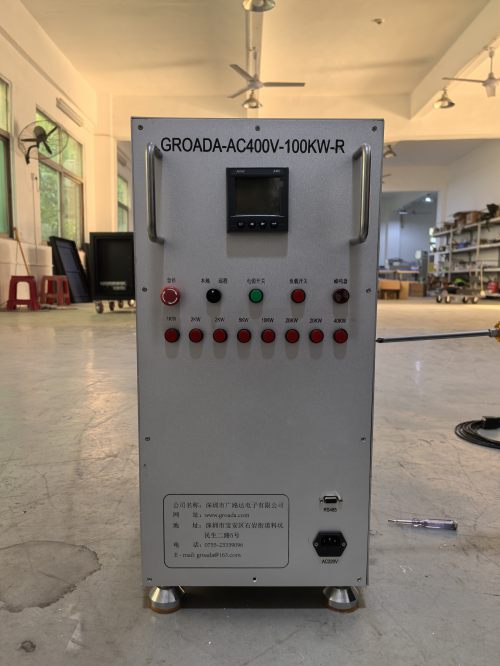
An anonymized case study from a mining site in Australia demonstrated that using a 1200 kVA portable RLC load bank reduced unexpected generator failures by 68% after factory acceptance testing. Similarly, a simulated example involving a 500 kW diesel generator connected to a microgrid showed improved voltage stability when tested with a reactive load bank, enabling smoother integration into grid-connected operations.
These instruments are indispensable for engineers, maintenance teams, and project managers seeking reliable data-driven decisions in power system validation.