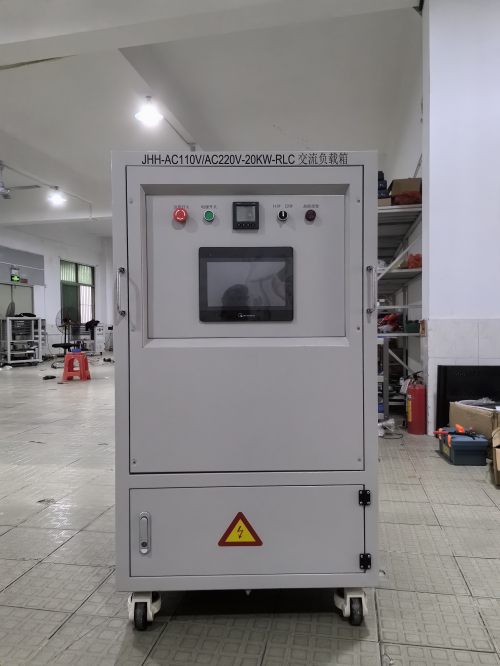
Resistive load banks are essential tools in the testing and validation of electrical power systems, particularly for generators used in industrial, commercial, and backup power applications. These devices simulate real-world electrical loads by converting electrical energy into heat through resistive elements, allowing engineers to verify generator performance under controlled conditions. Practical applications include factory acceptance testing (FAT) of new generators, commissioning of emergency power systems, and routine maintenance checks to ensure reliability during peak demand or outages.
A key advantage of resistive load banks is their simplicity and cost-effectiveness—they provide a stable, predictable load profile ideal for evaluating output capacity, voltage regulation, and fuel efficiency. They are especially useful in diesel generator testing where maintaining a consistent load helps identify issues like poor combustion or cooling inefficiencies. However, common problems include overheating due to inadequate ventilation, inaccurate load control from aging resistor elements, and improper grounding leading to safety risks. Modern solutions now incorporate digital load control, automatic thermal protection, and remote monitoring via IoT interfaces, improving both precision and safety.
The latest trend in load bank technology involves hybrid systems that combine resistive and reactive components—enabling more comprehensive testing of generators under varying power factor conditions. This is increasingly important for microgrid and renewable energy integration, where inverters and converters must handle dynamic loads. Standards such as IEC 60034-1 and IEEE 1547 guide safe and effective testing procedures, ensuring equipment meets international benchmarks for performance and safety. In one anonymized case study, a hospital’s backup generator was tested using a 500 kW resistive load bank over 8 hours; the test revealed a 12% drop in voltage stability at full load, prompting adjustments to the AVR system before a critical failure occurred.
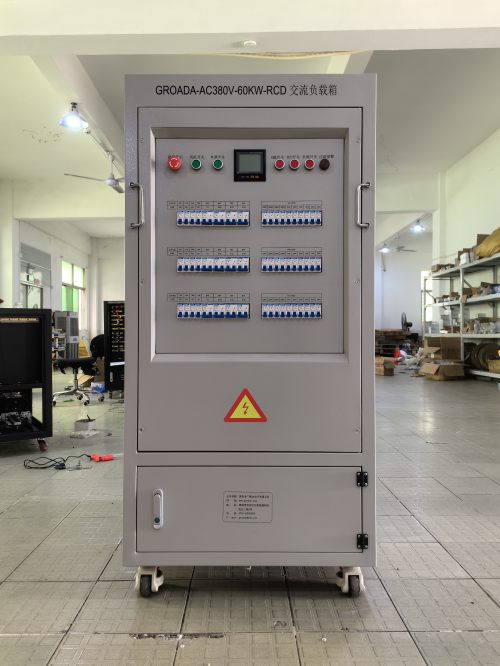
For optimal results, regular calibration (every 12 months), proper airflow management, and scheduled replacement of resistor blocks and fans are recommended. Compliance with CE, UL, and CCC certifications ensures global market readiness, while IP44-rated enclosures enhance durability in harsh environments. As energy systems grow more complex, resistive load banks remain foundational—not just for testing, but for ensuring resilience in an era of rising power demands and grid instability.