
Portable load banks are essential tools for testing the performance, reliability, and safety of generators, UPS systems, and renewable energy sources such as wind turbines and solar inverters. These devices simulate real-world electrical loads by drawing power from a source and dissipating it as heat, allowing engineers to verify that equipment operates correctly under full or partial load conditions. In industrial settings—such as manufacturing plants, hospitals, data centers, and remote mining sites—portable load banks enable preventive maintenance, factory acceptance testing (FAT), and commissioning of backup power systems without disrupting operations. A typical application includes validating diesel generator output capacity before installation or during periodic checks, ensuring it meets IEC 60348 standards for voltage regulation and frequency stability.
One major advantage of portable resistive load banks is their simplicity and cost-effectiveness—they provide consistent, linear load profiles ideal for testing engine cooling, fuel consumption, and alternator performance. Reactive load banks, on the other hand, introduce inductive or capacitive components to assess reactive power handling, which is critical for grid-tied systems and microgrids. Combination RLC load banks offer comprehensive testing capabilities, making them suitable for modern hybrid systems with variable power factor requirements.
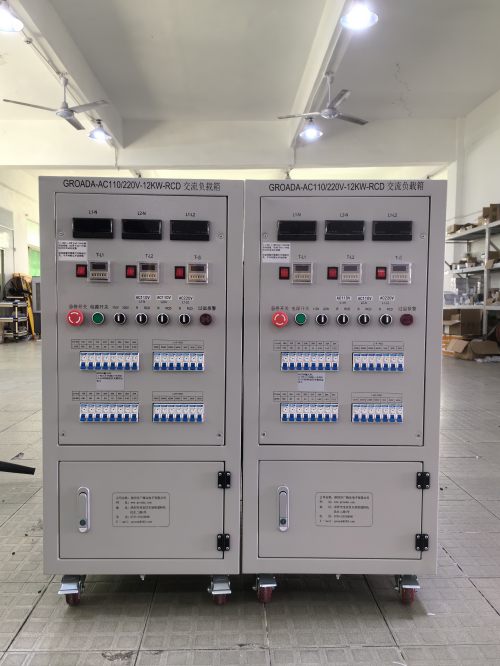
Common issues include overheating due to inadequate airflow, improper grounding leading to safety hazards, and inaccurate load control from outdated control systems. To mitigate these risks, modern load banks feature built-in thermal protection, CE/UL-certified enclosures, and digital controllers with remote monitoring via Ethernet or Bluetooth. Recent trends show increased use of smart load banks integrated with IoT platforms for predictive maintenance, automated reporting, and cloud-based log storage—aligning with Industry 4.0 principles. For example, an anonymized case study at a data center in Singapore demonstrated a 25% reduction in downtime after implementing a portable three-phase reactive load bank for quarterly generator tests.
Maintenance best practices include annual calibration using NIST-traceable equipment, regular cleaning of resistor blocks and fans, and replacement of high-wear components like cooling fans every 3–5 years depending on usage intensity. Proper handling, including lifting eyes and fork-lift pockets for transport, ensures safe operation in mobile environments.