
Resistive load banks are essential tools for verifying the performance, reliability, and safety of electrical power systems such as diesel generators, gas turbines, and uninterruptible power supplies (UPS). These devices simulate real-world electrical loads by converting electrical energy into heat through precision resistors, enabling engineers to test equipment under full-load conditions without relying on actual site demand.
Practical applications include factory acceptance testing (FAT) of new generators, routine maintenance checks for backup power systems, and commissioning of renewable energy systems like solar or wind farms that require grid synchronization. For example, during a simulated case study at a data center, a 500 kW three-phase resistive load bank was used to test a 600 kVA diesel generator over a 4-hour duration. The test confirmed stable voltage regulation within ±2% and verified automatic transfer switch (ATS) functionality under load—critical parameters for mission-critical infrastructure.
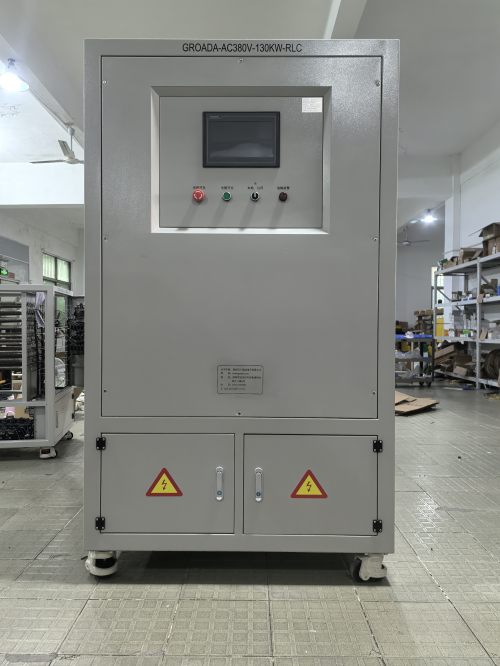
Key advantages of resistive load banks include high accuracy in simulating real load profiles, ease of use, low maintenance, and compatibility with both single- and three-phase systems. Unlike reactive or capacitive load banks, resistive models produce predictable thermal output, making them ideal for basic load testing, engine cooling verification, and battery discharge profiling in UPS systems.
Latest trends show increasing adoption of intelligent load banks with digital control interfaces, remote monitoring capabilities, and automated logging features aligned with Industry 4.0 standards. These smart systems support predictive maintenance and integrate with SCADA platforms for continuous operational oversight.
Frequently Asked Questions:
1. What is a resistive load bank used for?
It tests generator or UPS performance under controlled, full-load conditions to ensure reliability.
2. How do I choose the right load bank capacity?
Match it to your system’s maximum rated output—typically 75–100% of the generator’s nameplate rating.
3. Can resistive load banks be portable?
Yes—many models are designed with wheels, lifting eyes, and compact frames for transport between sites.
4. Do they comply with international safety standards?
Most modern units meet IEC 60034-1 (for motors), IEC 61000-4-2 (electrostatic discharge), and CE/UL certifications.
5. How often should calibration be performed?
Annually or after significant use, using NIST-traceable resistance standards and thermocouple-based temperature sensors.
6. Are there any risks if improperly installed?
Yes—improper grounding or exceeding rated current can cause overheating or damage; always follow manufacturer guidelines.
7. What is the difference between passive and active load banks?
Passive load banks dissipate energy as heat; active ones return power to the grid, offering higher efficiency but greater complexity.
8. Can I test multiple systems simultaneously?
Yes—with modular configurations, one load bank can sequentially test several parallel-connected generators or UPS units.
The integration of digital controls, improved thermal management, and compliance with global standards make resistive load banks indispensable in today’s power quality assurance landscape.









