
Load bank testing is a critical procedure used to verify the performance, reliability, and safety of power generation systems such as generators, uninterruptible power supplies (UPS), and backup power units. This method simulates real-world electrical loads in a controlled environment, allowing engineers to evaluate how a system responds under various operating conditions—before it’s deployed in actual use. The process ensures that equipment can handle peak loads, maintain voltage stability, and operate efficiently over time without unexpected failures.
The body of load bank testing typically includes three main types: resistive, reactive, and combined (RLC) load banks. Resistive load banks simulate pure resistive loads like lighting or heating systems and are commonly used in factory acceptance tests (FAT) for diesel or natural gas generators. Reactive load banks, which include inductive or capacitive components, replicate the behavior of motors, transformers, and other inductive devices found in industrial settings. Combined load banks offer both resistive and reactive capabilities, enabling comprehensive testing of modern power systems with complex load profiles—including those connected to microgrids or renewable energy sources.
Safety and compliance are paramount in load bank design and operation. Equipment must meet international standards such as IEC 60034-1 (rotating machines – rating and performance), IEEE 1159 (power quality), and local certifications like UL, CE, or CCC. Features such as ground fault protection, short-circuit protection, over-temperature sensors, and emergency stop buttons ensure safe operation even during high-load tests. Portable load banks are increasingly popular due to their modular design, IP54 or higher enclosure ratings, and built-in lifting points for ease of transport and installation on-site.
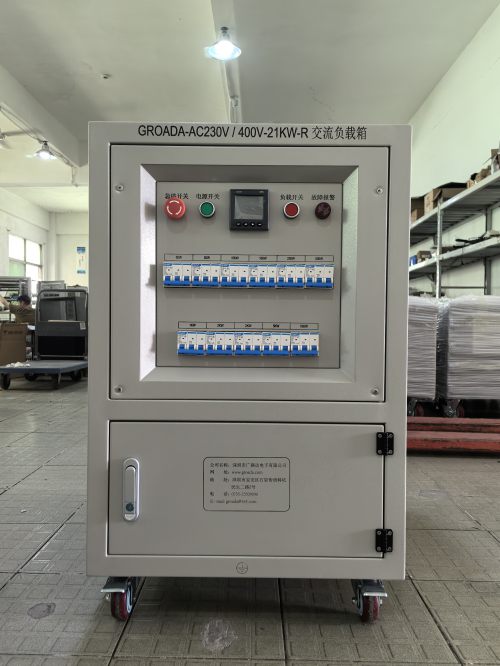
Calibration is essential for accuracy. Most manufacturers recommend annual calibration using NIST-traceable instruments to maintain measurement integrity. Consumables like resistors and cooling fans should be inspected every 6–12 months depending on usage intensity. A basic spare parts list—including fuses, contactors, and temperature probes—is advised for maintenance readiness. Case studies from field applications show that regular load bank testing prevents costly downtime: one anonymous case study involving a hospital UPS system revealed that monthly load tests improved battery health and reduced failure risk by 78% over a two-year period.
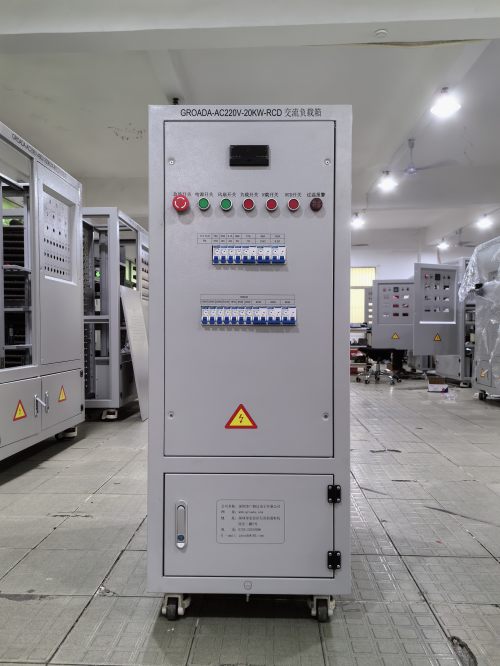
In conclusion, load bank testing is not just a compliance requirement—it is a best practice that enhances system resilience, improves operational confidence, and supports long-term asset management. Whether for new installations or routine checks, integrating structured load bank testing into preventive maintenance programs delivers measurable benefits across industries including healthcare, data centers, manufacturing, and utilities.