
When testing generators, uninterruptible power supplies (UPS), or microgrids, selecting the appropriate load bank is critical to ensuring reliability, efficiency, and compliance with international standards such as IEC 60034-1 and IEEE 115. A load bank simulates real-world electrical loads, allowing engineers to verify performance under full, partial, or varying conditions—whether during factory acceptance testing (FAT), commissioning, or routine maintenance.
Resistive load banks are ideal for evaluating mechanical and thermal performance of prime movers like diesel engines, as they convert electrical energy directly into heat. Reactive load banks, on the other hand, simulate inductive or capacitive loads—common in industrial motor systems—and help test voltage regulation and reactive power handling. For comprehensive validation, combined resistive-reactive (RL) or three-phase RLC load banks provide balanced stress testing across all phases. Active load banks offer dynamic control for load variation without dissipating excess energy as heat, making them suitable for continuous or long-duration tests.
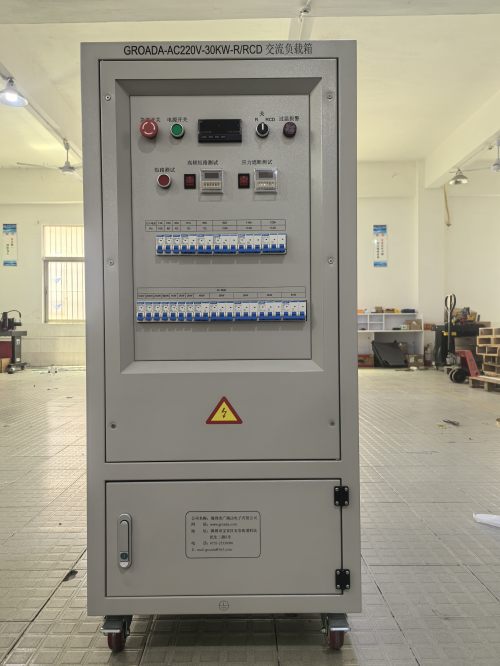
Portable load banks are increasingly used in field applications due to their mobility, rugged design, and IP protection ratings (e.g., IP54), which ensure safe operation in harsh environments. Key safety features include grounding, over-temperature sensors, E-STOP functionality, and certifications like CE, UL, and CCC, which confirm adherence to regional electrical safety standards. Calibration every 12 months ensures measurement accuracy, while fans, resistors, and contactors should be inspected annually based on usage intensity.
An anonymous case study from a renewable energy project in Germany demonstrated that using a 300 kW three-phase resistive load bank for wind turbine grid connection testing revealed an unexpected voltage drop at 75% load, prompting adjustments in inverter settings before full integration. Another simulated example involving a hospital UPS system showed how a 100 kVA reactive load bank identified poor power factor correction under partial load, improving overall efficiency by 12%. These cases highlight why proper load bank selection is not just a technical necessity but also a risk mitigation strategy.
In summary, whether you're conducting generator factory acceptance testing, validating standby power systems, or preparing for grid interconnection, choosing the right load bank—based on type, capacity, portability, and safety compliance—is essential for dependable power infrastructure.









