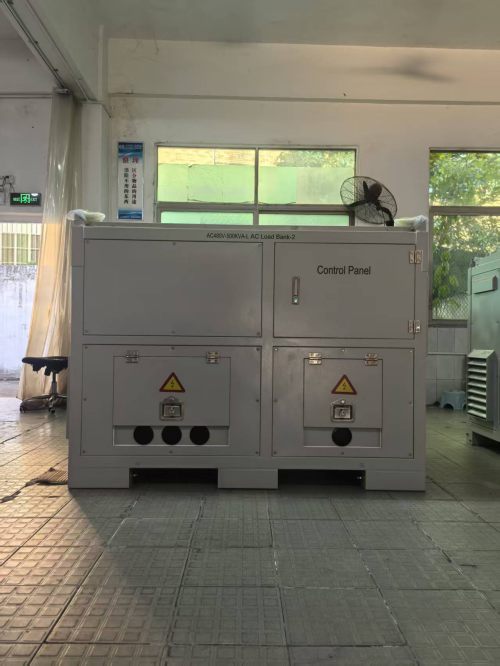
When testing generators, uninterruptible power supplies (UPS), or microgrids, selecting the appropriate load bank is critical to ensuring reliability, efficiency, and compliance with international standards. A load bank simulates electrical loads to verify system performance under real-world conditions—whether during factory acceptance tests, commissioning, or routine maintenance.
The first step in choosing a load bank is understanding the type of load required. Resistive load banks are the most common, providing pure resistance to simulate lighting, heating, and motor loads. These are ideal for testing generator output capacity and cooling systems. Reactive load banks, on the other hand, introduce inductive or capacitive reactance to mimic motors, transformers, and power factor correction equipment. For comprehensive testing, combined RLC load banks offer both resistive and reactive components, allowing full-spectrum simulation of actual site loads.
Portable and three-phase load banks are essential for field applications. Portable units, typically rated from 10 kW to 500 kW, feature rugged enclosures (IP54 or higher), lifting points, and casters for easy transport. Three-phase models ensure balanced loading across all phases, which is vital for industrial and commercial installations. According to IEC 60034-1, generator performance must be validated at various load levels—including 25%, 50%, 75%, and 100%—to confirm stable voltage and frequency regulation. Load banks that meet this standard are equipped with digital controllers and remote monitoring capabilities for precise test execution.
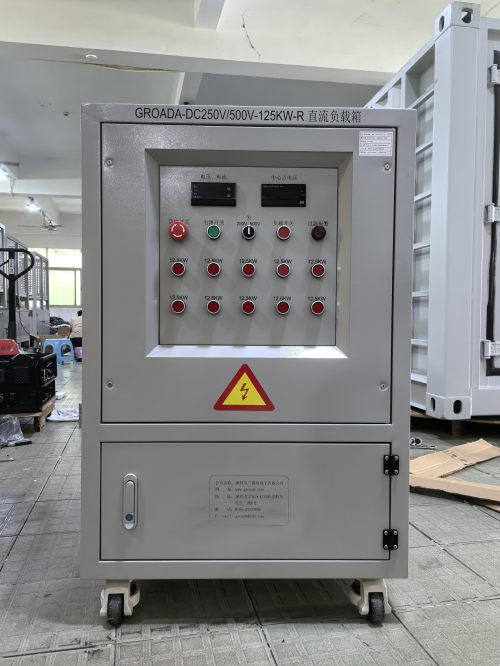
Safety features such as short-circuit protection, over-temperature sensors, and emergency stop buttons (E-STOP) are non-negotiable. Compliance with CE, UL, and CCC certifications ensures safe operation in diverse global markets. Maintenance includes annual calibration using NIST-traceable equipment and inspection of resistor elements and fans every 12 months. In one simulated case study, a 200 kW diesel generator was tested using a resistive load bank over 8 hours at 90% load; the test revealed inadequate cooling airflow, prompting design improvements before deployment.

In conclusion, matching load bank type, portability, safety, and calibration needs to your specific application ensures accurate power system validation. Whether testing backup generators, renewable energy systems, or grid-connected assets, proper load bank selection directly impacts uptime, cost efficiency, and long-term reliability.