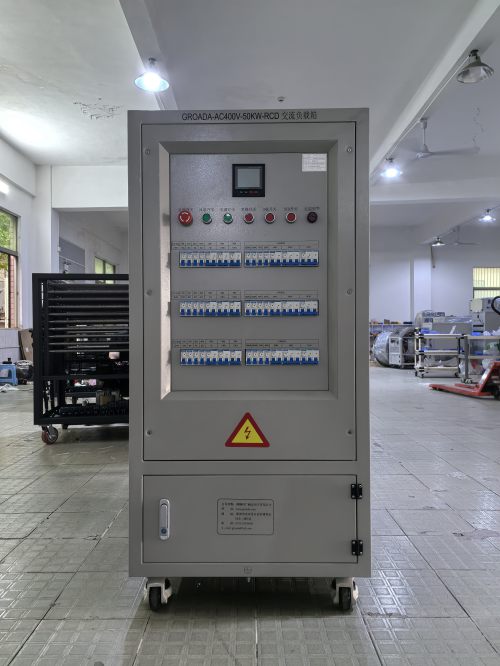
Resistive load banks are essential tools in the electrical testing and validation of power generation systems, particularly for generators used in industrial, commercial, and critical infrastructure applications. These devices simulate real-world electrical loads by converting electrical energy into heat through resistive elements—typically high-power metal oxide or ceramic resistors. Unlike reactive or capacitive load banks that introduce phase shifts, resistive load banks provide a purely real power load (measured in kW), making them ideal for evaluating a generator’s ability to deliver stable voltage, frequency, and thermal performance under full load conditions.
The primary purpose of using a resistive load bank is to verify that a generator meets its rated output specifications before commissioning or after maintenance. This includes confirming steady-state operation, transient response to load changes, and long-term thermal stability. For example, during factory acceptance testing (FAT), a 1000 kW resistive load bank may be applied to a diesel generator over a 4-hour period at 100% load, allowing engineers to monitor parameters such as fuel consumption, exhaust temperature, and alternator winding resistance. According to IEC 60034-1 (2022 edition), motors and generators must undergo mechanical and thermal tests under simulated operating conditions to ensure compliance with safety and performance standards—resistive load banks are often the preferred method for achieving this.
Modern portable resistive load banks feature modular designs with multiple phases (single or three-phase), scalable power ranges (from 50 kW up to 5 MW), and advanced control interfaces. They commonly include built-in protection systems such as over-temperature sensors, short-circuit protection, and emergency stop buttons compliant with CE and UL standards. Cooling is typically achieved via forced air cooling with redundant fans, and units are housed in IP54-rated enclosures to resist dust and splashing water—ideal for field use in construction sites or remote locations.
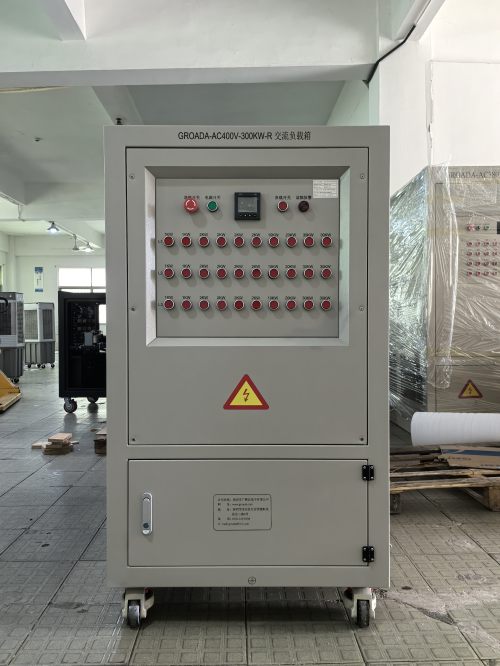
Maintenance requirements are minimal but crucial: resistors should be inspected annually for oxidation or mechanical stress, while fan assemblies and control electronics require quarterly checks. Calibration intervals are typically every 12 months using NIST-traceable calibration equipment to ensure accurate power measurement within ±1% accuracy. A typical spare parts list includes resistor modules, cooling fans, and circuit breakers—each with an estimated replacement cycle of 3–5 years based on average operational hours.
In one anonymous case study involving a 500 kW diesel generator at a hospital backup system, a resistive load test revealed that the engine was experiencing excessive vibration at 75% load due to misaligned coupling. Corrective action prevented potential downtime during a real blackout event. Another simulated example from a wind farm integration project showed that a new hybrid inverter system failed to maintain voltage regulation above 80% load until firmware updates were applied—proof that resistive load bank testing remains indispensable for validating grid compatibility.