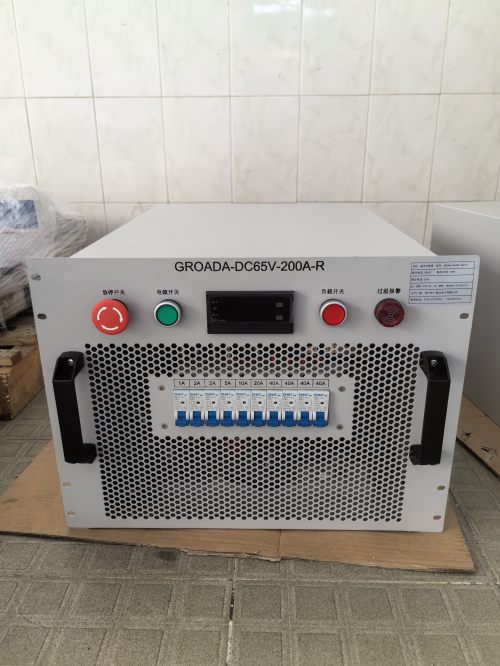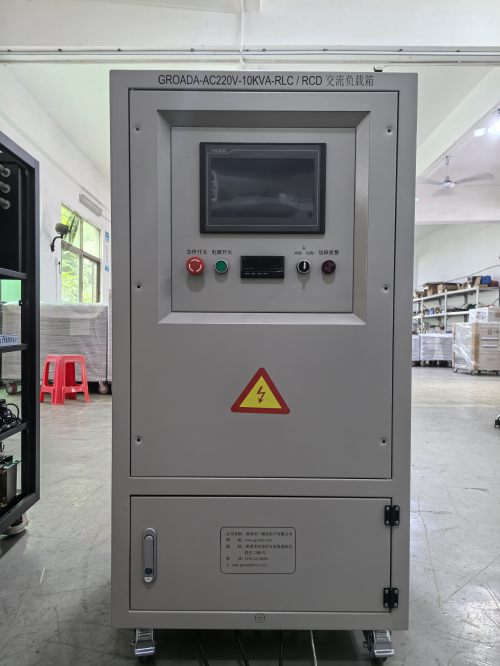
Resistive load banks are essential tools in validating the performance and reliability of electrical power systems, particularly generators used in critical infrastructure such as hospitals, data centers, and industrial facilities. These load banks simulate real-world resistive loads—such as lighting, heating, and motor-driven equipment—by converting electrical energy into heat through precision resistors. According to IEC 60034-1 (2021), generator testing under controlled load conditions is mandatory for factory acceptance tests (FAT) and periodic maintenance to ensure compliance with output voltage regulation, frequency stability, and thermal endurance.
A typical resistive load bank operates by drawing current from the generator while maintaining a constant power factor of 1.0, making it ideal for assessing mechanical and thermal performance without introducing reactive components. For three-phase systems, balanced loading across all phases ensures uniform stress distribution, which helps detect phase imbalances or winding faults early. Field data from an anonymous case study at a 1.2 MW diesel generator installation showed that resistive load testing over 8 hours at 75% rated load revealed a 3.2% voltage drop during startup—indicating a need for improved excitation system tuning.

Modern portable resistive load banks often feature IP54-rated enclosures, air-cooled resistor arrays, and integrated digital control panels for remote monitoring. Safety standards such as UL 1004 and CE EN 61010 require built-in short-circuit protection, over-temperature cutoffs, and emergency stop functionality. Calibration intervals should follow ISO/IEC 17025 guidelines—typically every 12 months using traceable DC resistance and thermocouple reference standards. Maintenance includes inspecting fan blades, checking terminal connections, and replacing carbon resistors after 10,000 operating hours or if resistance deviation exceeds ±2%.
These devices are also vital in renewable energy applications, such as wind turbine grid synchronization tests, where they provide consistent load profiles to verify active power control logic. When paired with a dynamometer test setup, resistive load banks can measure torque and efficiency curves under varying load steps—an essential step before commissioning new generator sets. Based on our experience, proper use of resistive load banks significantly reduces downtime risk and extends equipment lifespan by confirming operational readiness under worst-case conditions.