
When testing generators, uninterruptible power supplies (UPS), or microgrids, selecting the appropriate load bank is critical to ensuring reliability, safety, and compliance with international standards. A load bank simulates electrical loads to test how a power source performs under real-world conditions—helping identify issues before they lead to failures in the field.
Understanding Load Bank Types
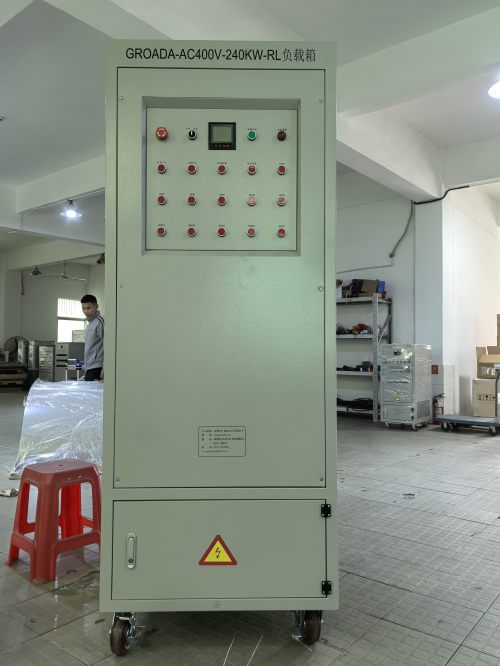
There are four primary types of load banks: resistive, reactive, capacitive, and combined (RLC). Resistive load banks convert electrical energy into heat using precision resistors and are ideal for testing generator output capacity and fuel efficiency. Reactive load banks simulate inductive or capacitive loads common in industrial motors or power factor correction systems. Combined RLC load banks offer comprehensive testing by mimicking complex real-world loads such as those found in data centers or manufacturing plants.
Key Selection Criteria
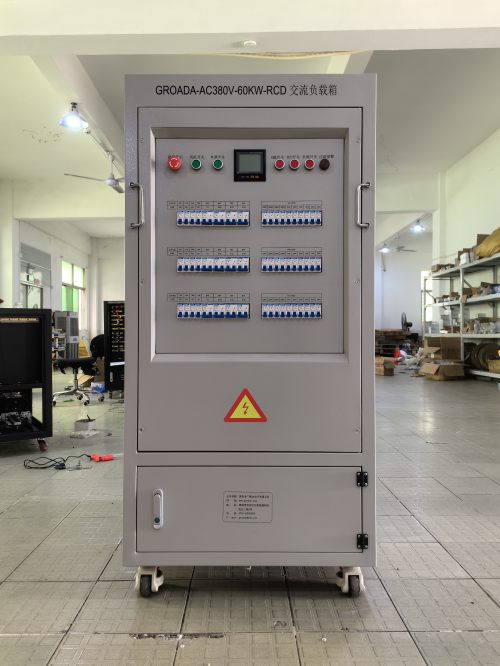
1. Power Rating: Match the load bank’s maximum kVA or kW rating to the generator’s nameplate capacity, typically 80–100% of full load.
2. Phase Configuration: Ensure compatibility with single-phase, three-phase, or split-phase systems. Three-phase load banks are essential for large-scale applications like wind farms or backup generators.
3. Portability and Mounting: Portable load banks (e.g., wheeled units with IP54 protection) are suitable for mobile testing, while stationary models may be preferred for factory acceptance tests.
4. Safety Features: Look for over-temperature protection, short-circuit protection, emergency stop (E-STOP), and grounding compliance per IEC 60364-4-41.
Compliance and Standards
Load banks must comply with relevant electrical safety standards, including IEC 60034-1 (rotating machines), IEEE 1159 (power quality), and UL 1004 (load bank construction). These standards define insulation requirements, temperature rise limits, and mechanical robustness—critical for long-term reliability during repeated load cycling.
Real-World Application Example
In an anonymous case study involving a 1 MW diesel generator used for off-grid mining operations, a three-phase resistive-reactive load bank was used for 4-hour continuous testing at 90% load. Key metrics included voltage regulation (< ±2%), frequency stability (< ±0.5 Hz), and no overheating of the main circuit breakers. This test validated that the generator could sustain peak demand without degradation—a crucial step before deployment.
Calibration and Maintenance
Regular calibration every 12 months ensures accurate load simulation. Replace fan assemblies annually and check resistor integrity quarterly. Maintain a spare parts list including fuses, thermal sensors, and control modules.
By aligning technical specifications with application needs, engineers can ensure rigorous, repeatable, and safe power system validation.









