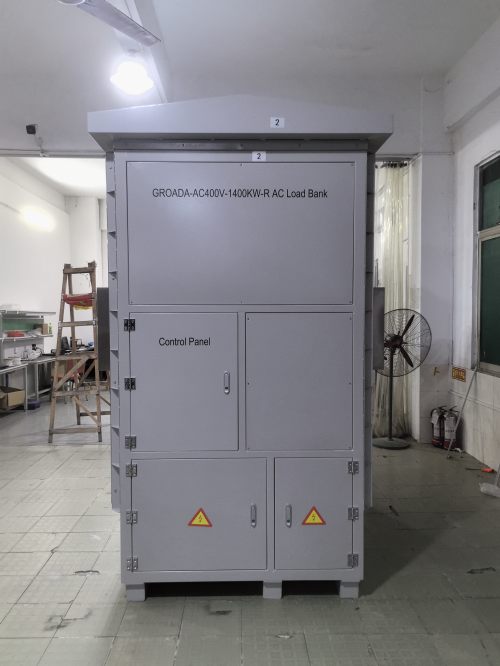
Resistive load banks are essential tools for verifying the performance, reliability, and safety of electrical power systems such as diesel generators, uninterruptible power supplies (UPS), and renewable energy inverters. These load banks simulate real-world electrical loads by converting electrical energy into heat through resistive elements—typically made of high-temperature alloy or ceramic materials. Unlike reactive or capacitive load banks that introduce phase shifts, resistive load banks provide a purely real power load, making them ideal for testing generator engine response, voltage regulation, and cooling system efficiency under full-load conditions.
Practical applications include factory acceptance tests (FAT) for new generators, routine maintenance checks on standby systems, and commissioning of off-grid solar or wind farms before grid synchronization. For example, in an anonymous case study, a 1 MW diesel generator was tested using a 3-phase resistive load bank at 80% load for 4 hours. The test confirmed stable output voltage within ±2%, no overheating of components, and proper governor response to load changes—critical indicators for operational readiness.
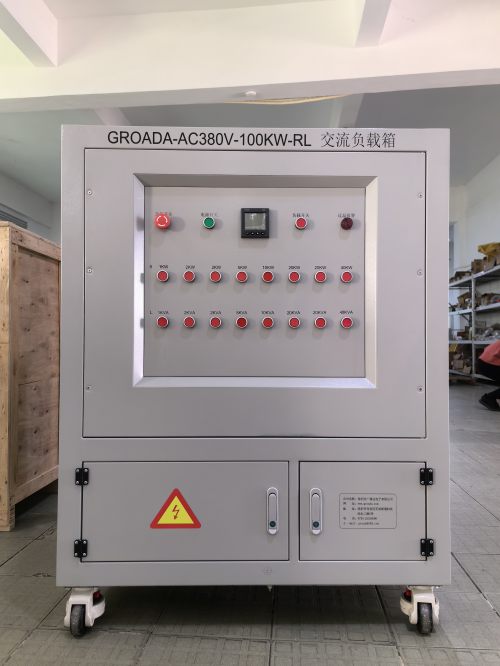
Advantages of resistive load banks include simplicity in design, cost-effectiveness, ease of control, and compatibility with most AC power sources. They can be used standalone or combined with reactive units for comprehensive testing. Modern models often feature digital controllers, remote monitoring via Ethernet or Wi-Fi, and built-in safety features like over-temperature protection and E-STOP functions, ensuring compliance with IEC 60034-1 and UL 508 standards for motor and generator testing.
Commonly asked questions include how to determine appropriate load bank size, whether portable units require special transport considerations, and how often calibration should be performed. Based on industry best practices, load banks should be calibrated annually using NIST-traceable equipment, while resistive elements typically last 5–10 years depending on usage intensity.
Latest trends include integration with smart energy management systems, use of active load banks for bidirectional energy flow testing, and increased demand for modular, scalable solutions for microgrid and data center applications. As global reliance on backup power grows, especially in critical infrastructure sectors, resistive load banks remain a foundational tool for validating system resilience.