
Portable load banks are essential tools in the testing, commissioning, and maintenance of electrical power systems such as diesel generators, uninterruptible power supplies (UPS), and renewable energy inverters. These devices simulate real-world electrical loads to verify performance under various operating conditions—ensuring reliability, safety, and compliance with international standards like IEC 60034-1 and IEEE 1159. Whether used during factory acceptance tests (FATs) or on-site validation at data centers, construction sites, or remote facilities, portable load banks provide engineers with precise diagnostics that go beyond simple voltage checks.
A typical portable load bank consists of resistive, reactive, or combined (RLC) components designed to mimic the actual power demand from motors, lighting, or electronic equipment. Resistive load banks convert electrical energy into heat using precision wire-wound resistors; they are ideal for testing generator output capacity and thermal performance. Reactive load banks, often inductive or capacitive, introduce lagging or leading power factors to evaluate the excitation system and voltage regulation of alternators. For comprehensive analysis, modern three-phase load banks combine all elements—allowing engineers to test full-load scenarios across multiple phases while monitoring harmonic distortion, frequency stability, and power factor correction.
The design of a high-quality portable load bank must prioritize safety, portability, and ease of use. CE/UL/CCC certifications ensure compliance with regional electrical safety regulations, while features such as ground fault protection, over-temperature sensors, and emergency stop (E-STOP) buttons safeguard both personnel and equipment. Mechanical structures typically include robust IP54-rated enclosures with lifting rings and forklift bays for safe transport between job sites—a critical feature for field service teams working in harsh environments. Internal cooling systems, including forced-air fans and heat sinks, maintain optimal resistor temperatures even during prolonged 100% load cycles.
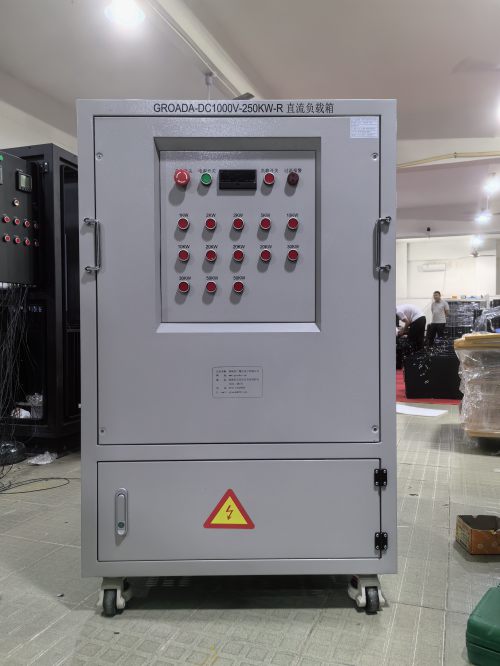
Calibration is another key aspect of reliable load bank operation. Manufacturers recommend annual calibration using NIST-traceable instruments to verify accuracy within ±1%. This includes checking voltage, current, and power readings across the entire load range (e.g., 10–100% of rated capacity). Consumables like resistor grids and fan assemblies should be inspected quarterly, with replacement schedules based on usage intensity—typically every 2–5 years depending on duty cycle and ambient conditions. Recommended spare parts lists commonly include fuse blocks, contactors, control boards, and temperature probes to minimize downtime.
Case Study: In an anonymous case study involving a 1 MW diesel generator installed at a remote mining site, a portable resistive load bank was used to conduct a 72-hour continuous load test at 80% capacity. The goal was to validate long-term reliability before commissioning. Measurements included exhaust gas temperature, fuel consumption rate, and engine vibration levels. Data revealed that after 48 hours, the generator’s cooling system began to show signs of strain due to elevated ambient temperatures (above 40°C). Based on this insight, engineers adjusted the ventilation setup and added auxiliary cooling units—preventing potential failure during peak operations. This demonstrates how load testing not only confirms basic functionality but also uncovers hidden inefficiencies that could compromise operational continuity.
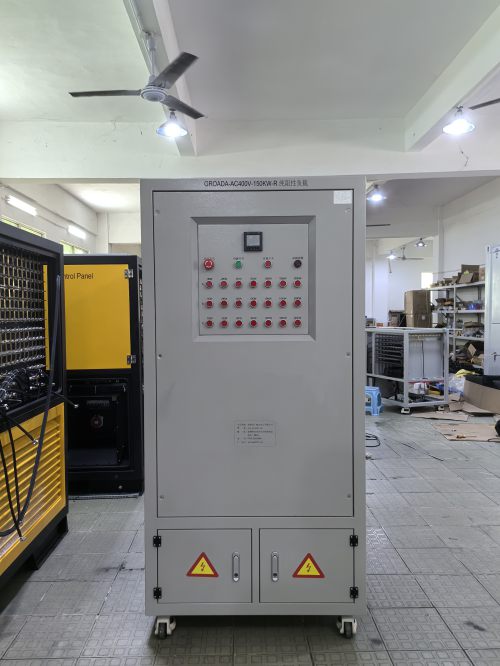
Another simulated example involved a 500 kVA UPS system in a hospital backup power system. Using a programmable RLC load bank, technicians applied a step-wise load increase from 0% to 100% over 30 minutes while recording battery discharge curves and transfer times between AC and DC modes. Results showed a 2.3-second delay in automatic transfer switch activation—an issue missed during routine inspections. By identifying and correcting this anomaly early, the facility avoided risks associated with power interruption during critical procedures.
Standards Compliance and Industry Best Practices
Load bank testing must align with established engineering practices. According to IEC 60034-1, which governs rotating machines, generator sets must undergo load tests at 75%, 100%, and 125% of their rated output to assess mechanical stress, insulation integrity, and thermal behavior. Similarly, IEEE 1159 addresses power quality metrics such as THD (Total Harmonic Distortion), which can be measured accurately using advanced load banks equipped with digital meters. These standards influence equipment design—for instance, ensuring proper heat dissipation paths and electromagnetic compatibility (EMC) shielding in active load bank models.
For users seeking flexibility, modern load banks offer remote monitoring capabilities via Ethernet or Wi-Fi interfaces, enabling real-time data logging and cloud-based analytics. Some models integrate with SCADA systems for automated load scheduling and predictive maintenance alerts. Such features enhance efficiency in large-scale deployments like microgrids or wind farm integration projects where grid synchronization must be validated under dynamic load profiles.
In summary, portable load banks are indispensable for verifying the performance and durability of electrical infrastructure. Their ability to replicate complex load conditions makes them superior to static bench tests, offering actionable insights that improve system resilience. Engineers who incorporate regular load testing into preventive maintenance programs reduce unplanned outages, extend asset life, and ensure regulatory compliance—all vital outcomes for mission-critical applications.