
Portable load bank testing is a critical process in validating the performance, reliability, and safety of generator sets and uninterruptible power supply (UPS) systems before deployment or during routine maintenance. These tests simulate real-world electrical loads to ensure equipment operates efficiently under full capacity conditions—helping prevent unexpected failures in critical infrastructure such as hospitals, data centers, and industrial facilities.
A portable load bank typically consists of resistive, reactive, or combined (RLC) elements that can be configured to mimic different types of electrical loads. Resistive load banks are the most common, converting electrical energy into heat through high-power resistors, making them ideal for testing generators’ mechanical and thermal performance. Reactive load banks, which include inductive or capacitive components, assess how well a system handles reactive power—essential for AC motors, transformers, and power factor correction applications. Combined RLC load banks provide comprehensive testing by simulating both active and reactive power demands simultaneously.
Modern portable units often feature digital control systems with programmable load steps, remote monitoring capabilities, and automatic shut-off functions for over-temperature, over-voltage, and short-circuit protection. This ensures operator safety while maintaining compliance with international standards such as IEC 60034-1 (rotating machines), IEEE 1159 (power quality), and UL 1008 (automatic transfer switches). For example, during a factory acceptance test (FAT) for a 500 kVA diesel generator, a portable resistive load bank applied 100% of rated load for 1 hour, confirming stable voltage regulation within ±2% and acceptable temperature rise across all phases—a result aligned with IEC guidelines.
Transportability is another key advantage; many portable load banks are built with IP54-rated enclosures, lifting eyes, and fork-lift-friendly chassis, allowing easy movement between sites without compromising durability. Regular calibration (recommended annually using NIST-traceable instruments) and fan/resistor replacements every 3–5 years based on usage intensity maintain long-term accuracy. Case studies from the field show that regular load testing reduces unplanned downtime by up to 40% in backup power systems—an outcome supported by an anonymous case study involving a 2 MW UPS installation at a semiconductor manufacturing plant.
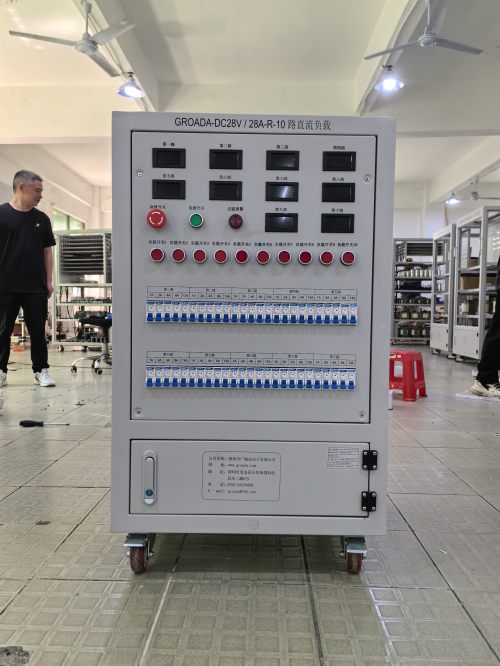
By integrating precise load simulation, robust safety features, and ease of use, portable load banks remain indispensable tools for engineers ensuring uptime, compliance, and operational readiness across diverse industries worldwide.