
Resistive load banks are essential tools for verifying the performance, reliability, and safety of electrical power systems such as diesel generators, uninterruptible power supplies (UPS), and renewable energy inverters. These load banks simulate real-world electrical loads by converting electrical energy into heat through resistive elements—typically made of high-temperature alloy resistors. Unlike reactive or capacitive load banks, which introduce phase shifts, resistive load banks provide a purely real power load, making them ideal for testing generator engine response, voltage regulation, and cooling system efficiency under full-load conditions.
Practical applications include factory acceptance testing (FAT) of new generators, routine maintenance checks on standby systems, and commissioning of backup power solutions in data centers, hospitals, and industrial facilities. For example, during a simulated case study at a hospital’s emergency power system, a 300 kW three-phase resistive load bank was used to test a 400 kVA diesel generator over 8 hours. The test confirmed stable voltage regulation within ±2% and no overheating in the generator’s cooling system—validating its readiness for critical operations.
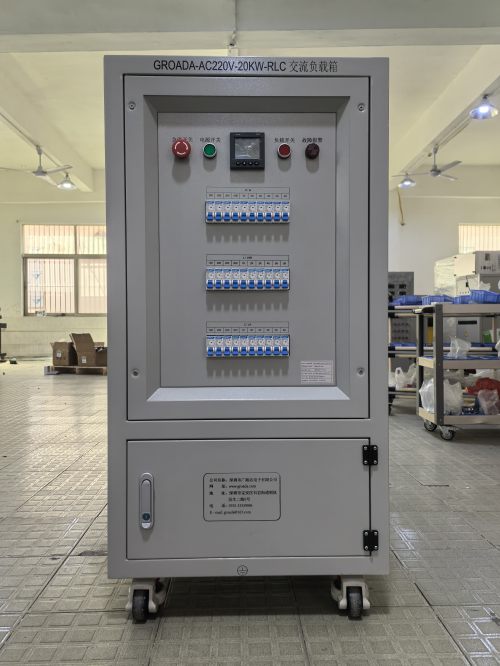
Advantages of resistive load banks include simplicity of design, predictable performance, ease of control via digital interfaces, and compatibility with both single-phase and three-phase systems. They are also cost-effective compared to combined RLC load banks when only real power testing is required. However, they must be properly ventilated and cooled; modern units often feature intelligent fan control and temperature sensors to prevent thermal runaway.
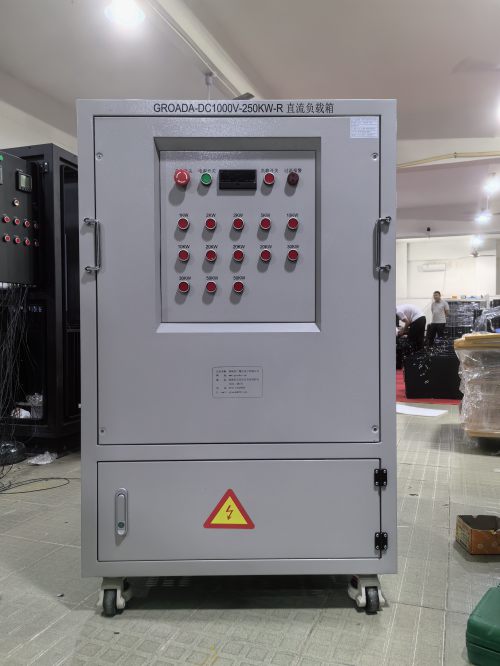
Latest trends show increased integration of IoT-enabled monitoring, remote diagnostics, and automatic load scheduling via cloud platforms—enhancing operational efficiency and predictive maintenance. Standards such as IEC 60034-1 (rotating machines) and IEEE 1547 (distributed energy resources) guide safe and effective testing procedures, particularly regarding short-circuit protection, grounding, and over-voltage/under-voltage thresholds.
Frequently asked questions:
- What is a resistive load bank used for?
It simulates real electrical loads to test generator or UPS performance under full-load conditions.
- Can it be used for microgrid testing?
Yes, especially when verifying real power handling capability before grid interconnection.
- How often should it be calibrated?
Annually or after major repairs, using NIST-traceable equipment.
- Is portable design available?
Yes—many models are designed with lifting rings, casters, and IP54 enclosures for field use.
- What safety features are required?
Ground fault protection, E-STOP, over-temperature shutdown, and CE/UL certification.
- Do I need a reactive component for battery testing?
Not necessarily—resistive load banks suffice for most battery discharge tests unless harmonic distortion is a concern.
- Can it be integrated with SCADA systems?
Modern digital load banks support Modbus or Ethernet protocols for seamless integration.
- What is the typical lifespan of resistive elements?
10–15 years under proper operation, depending on load cycles and ambient conditions.









