
Resistive load banks are essential tools for verifying the performance, reliability, and safety of electrical power systems such as diesel generators, uninterruptible power supplies (UPS), and renewable energy inverters. These load banks simulate real-world electrical loads by converting electrical energy into heat through resistive elements—typically made of high-temperature alloy resistors. Unlike reactive or capacitive load banks, which introduce phase shifts, resistive load banks provide a stable, linear load that mirrors the behavior of lighting, heating, and motor loads commonly found in industrial and commercial settings.
Practical applications include factory acceptance testing (FAT) for new generator sets, routine maintenance checks on standby power systems, and grid integration tests for solar or wind farms. For example, during a simulated case study at a data center, a 500 kW three-phase resistive load bank was used to test a 600 kVA diesel generator over 4 hours at 80% load. The test confirmed stable voltage regulation within ±2%, no overheating of the alternator, and compliance with IEC 60349-1 standards for generator performance under load.
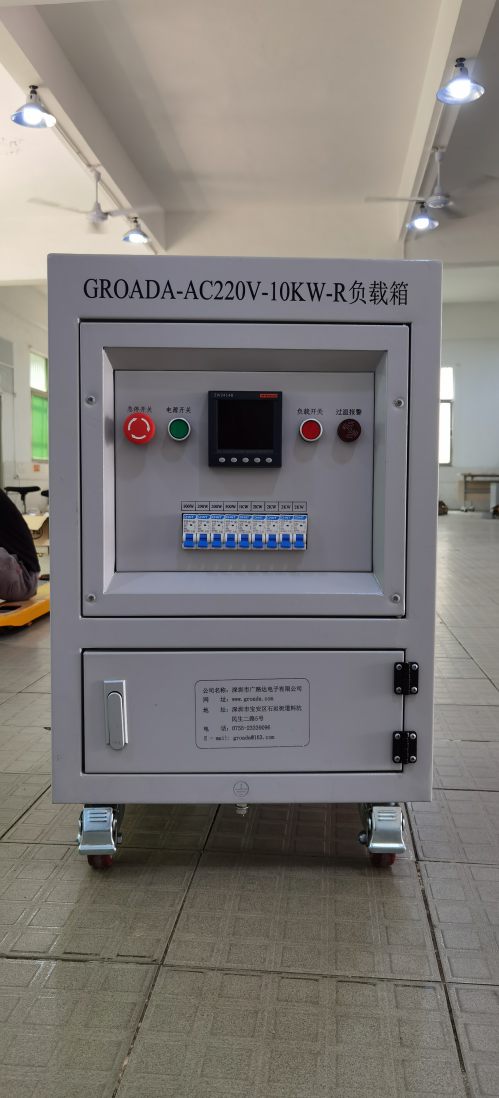
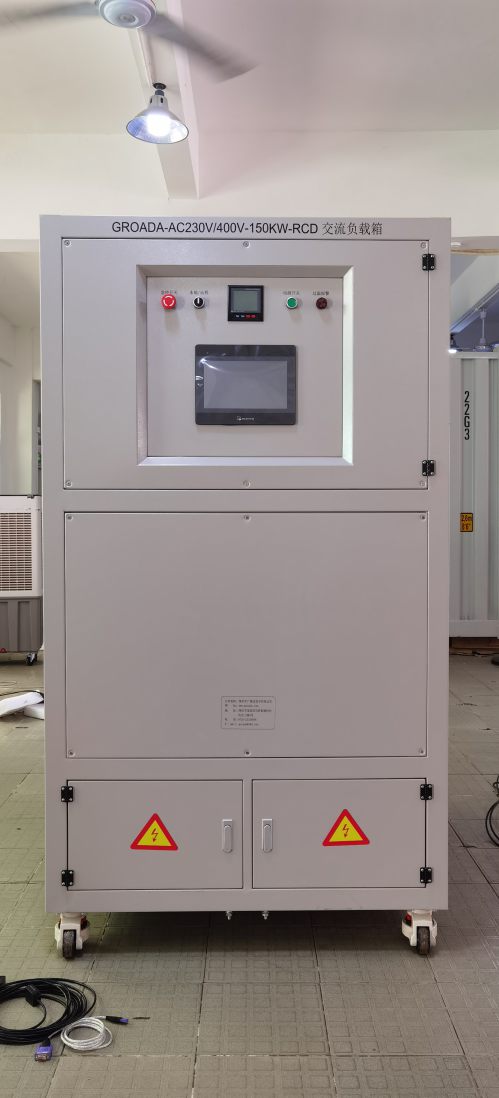
Key advantages include simplicity of use, accurate load simulation, and minimal maintenance. Modern resistive load banks often feature built-in digital controllers for precise load step control, remote monitoring via Ethernet or Bluetooth, and fail-safe protections such as over-temperature cutoffs and emergency stop functions. According to IEEE Standard 1155 (2021), resistive load banks are recommended for initial validation of engine-driven generators due to their predictable and repeatable characteristics.
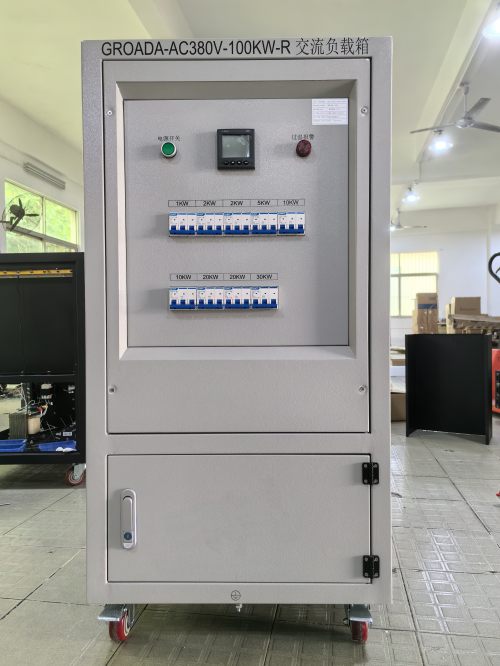
Recent trends show increasing demand for portable and modular designs—ideal for field service engineers—and integration with IoT platforms for predictive maintenance. Some manufacturers now offer cloud-based load test logging and automated reporting, improving compliance tracking and reducing manual documentation errors.
Frequently asked questions include:
1. What is the difference between resistive and reactive load banks?
2. How often should a generator be tested using a resistive load bank?
3. Can resistive load banks be used for battery discharge testing?
4. Do they require special cooling?
5. Are they safe for use in hazardous environments?
Answers typically involve thermal management considerations, frequency-dependent load profiles, and adherence to CE/UL certification requirements.
These systems remain foundational in power system diagnostics, supported by decades of field experience and evolving industry standards like IEC 60034-1 for motor and generator testing.









