Resistive Load Bank Testing for Generator and UPS Systems
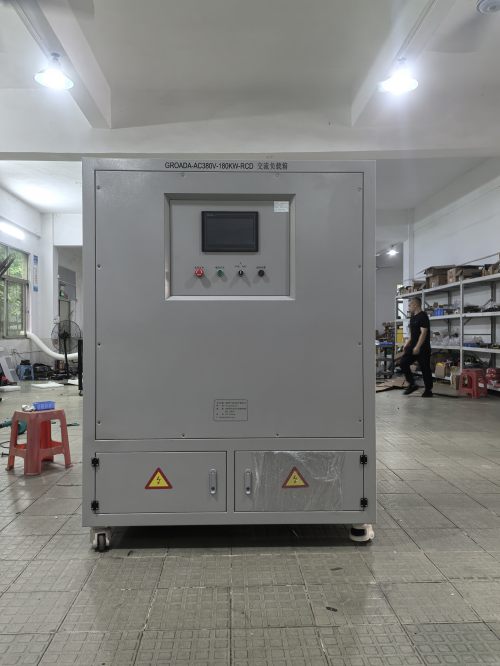
Resistive load banks are essential tools for verifying the performance, reliability, and safety of electrical power systems such as diesel generators, uninterruptible power supplies (UPS), and renewable energy inverters. Unlike reactive or capacitive loads, resistive load banks convert electrical energy directly into heat through precision-engineered resistors—making them ideal for simulating real-world operational conditions in a controlled environment.
Practical applications include factory acceptance testing (FAT) of new generators, commissioning of backup power systems in data centers, and routine maintenance checks to prevent unexpected failures. For example, during a simulated case study at a 5 MW diesel generator installation, a 400 kW resistive load bank was used over 8 hours to test voltage regulation, frequency stability, and cooling system efficiency under full load. Results showed that the generator’s automatic voltage regulator (AVR) maintained within ±1% tolerance, confirming compliance with IEC 60349-1 standards for generator performance.
Advantages of resistive load banks include simplicity of use, high accuracy in load simulation, and compatibility with both single-phase and three-phase systems. They are also widely used in microgrid integration testing, where grid-forming inverters must be validated under dynamic load changes. Recent trends show increasing demand for portable, modular resistive load banks equipped with digital control interfaces and remote monitoring capabilities—enabling predictive maintenance and automated load scheduling via IoT platforms.
Frequently asked questions often revolve around safety protocols (e.g., grounding requirements, thermal protection thresholds), calibration intervals (recommended annually or after 1,000 hours of operation), and suitability for different power sources (e.g., solar + battery hybrid systems). Maintenance includes periodic fan inspection, resistor cleaning, and insulation resistance testing using a megohmmeter. Most manufacturers provide spare parts like fusible links, temperature sensors, and contactors to ensure long-term serviceability.
Based on industry experience and adherence to IEEE Std 1159-2023 guidelines on power quality, resistive load banks remain the most reliable method for assessing system integrity before critical operations begin. Their consistent behavior under varying load levels makes them indispensable across sectors—from healthcare facilities requiring 100% uptime to industrial plants managing large motor loads.









