
Testing the performance and reliability of generators and uninterruptible power supply (UPS) systems is critical in industrial, commercial, and utility environments. A resistive load bank is a specialized tool used to simulate real-world electrical loads by converting electrical energy into heat through resistive elements. This method allows engineers to verify that power generation equipment can handle full-load conditions without overheating or failing—ensuring system readiness during actual outages or grid disturbances.
One of the primary applications of resistive load banks is factory acceptance testing (FAT) for new generators. During FAT, a resistive load bank applies 100% of the rated load to the generator over a defined period—typically 30 to 60 minutes—to validate mechanical stability, voltage regulation, and fuel efficiency. According to IEC 60034-1, which outlines performance requirements for rotating electrical machines, such tests must be conducted under controlled thermal conditions to ensure safe operation across all load levels.
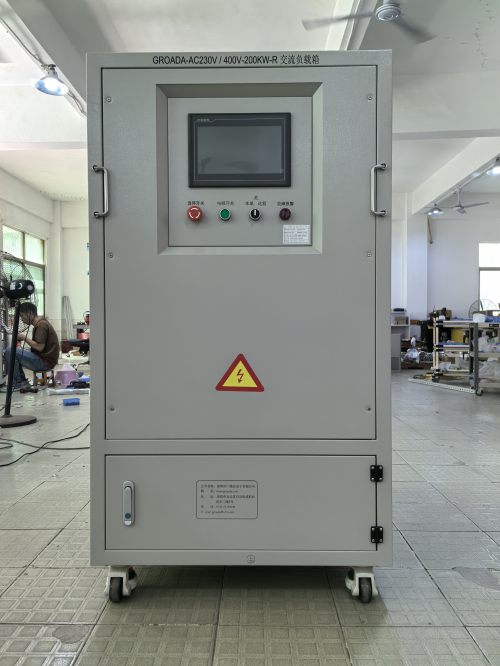
In data centers, where uptime is mission-critical, resistive load banks are essential for periodic UPS validation. For example, an anonymous case study from a Tier III facility showed that a 500 kW resistive load bank successfully tested a 600 kVA UPS system at 80% load for 90 minutes. The test confirmed stable output voltage (±2%), minimal harmonic distortion (<5%), and adequate battery runtime—confirming system resilience before a major infrastructure upgrade.
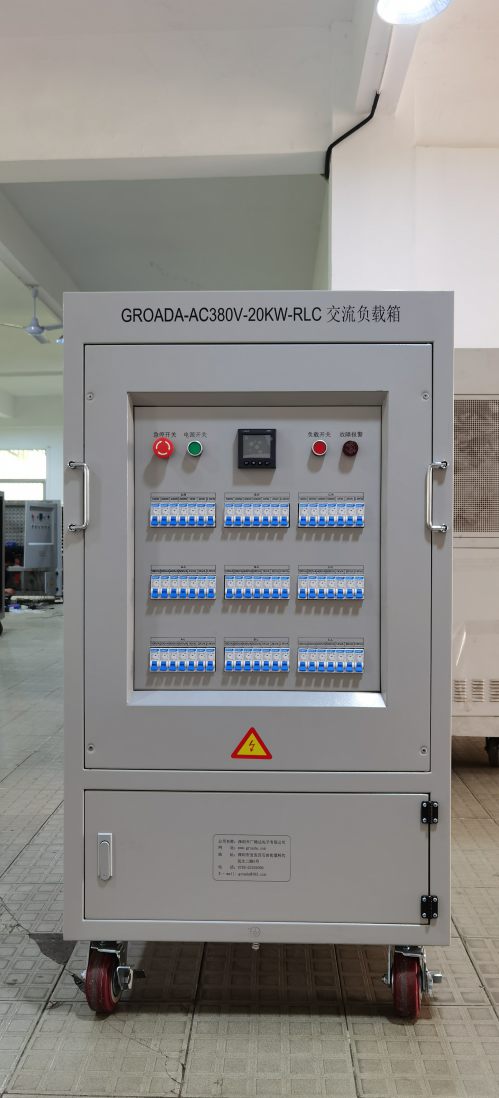
Key technical specifications include three-phase capabilities (up to 600 V AC), adjustable power factors (near unity for resistive-only), and portability options such as wheeled chassis with IP54 protection rating. Safety features like ground fault detection, over-temperature shutdown, and E-STOP buttons meet UL/CE certification standards for use in hazardous locations.
For maintenance planning, resistive load banks require calibration every 12 months using NIST-traceable standards. Consumables like resistors and cooling fans have a typical lifespan of 3–5 years depending on usage intensity. Recommended spare parts include fuse blocks, temperature sensors, and contactor assemblies.
These tools are not only vital for preventive maintenance but also for commissioning microgrids, wind farms, and diesel-powered backup systems—where precise load simulation ensures compliance with grid interconnection rules and regulatory safety thresholds.