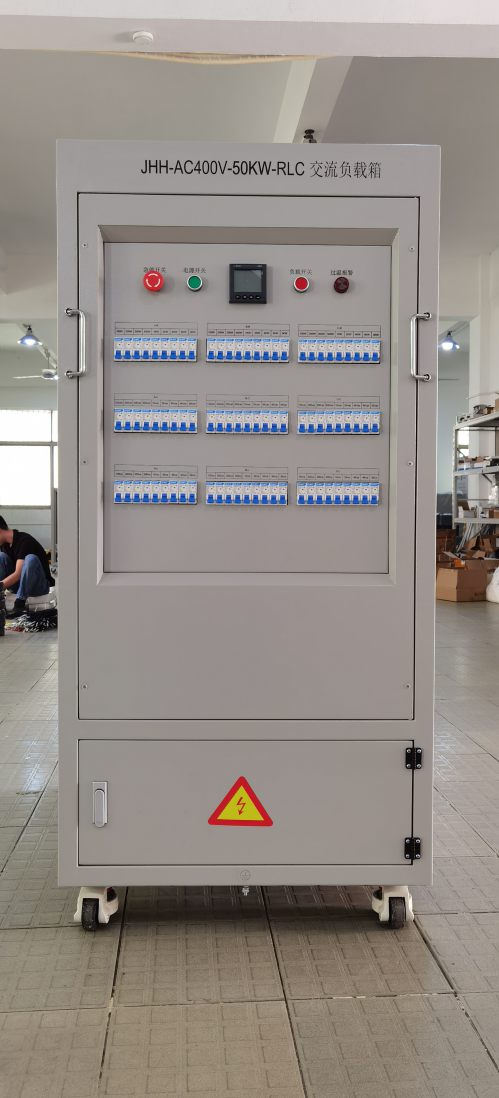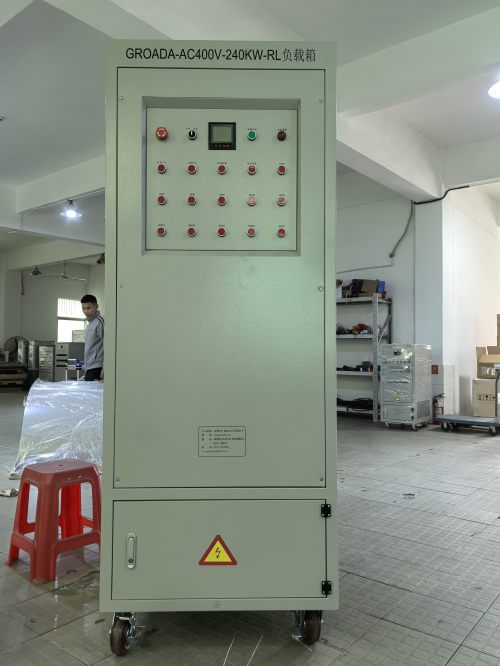
When testing generators, uninterruptible power supplies (UPS), or renewable energy systems like wind farms and microgrids, selecting the correct load bank is critical for ensuring performance, safety, and compliance. A load bank simulates real-world electrical loads, allowing engineers to validate system behavior under controlled conditions—such as full-load operation, voltage regulation, and emergency response. For example, in a factory acceptance test (FAT) of a diesel generator, a resistive load bank applies pure heat-generating loads, while a reactive load bank introduces inductive or capacitive components to simulate motors or transformers. Combined RLC load banks offer comprehensive testing by emulating both resistive and reactive characteristics simultaneously—a key requirement for modern three-phase systems used in data centers and industrial facilities.
Portable load banks are essential for field testing where mobility matters, such as commissioning remote solar installations or validating backup power systems during site inspections. These units typically feature rugged IP54 enclosures, lifting rings for crane handling, and built-in cooling fans to prevent overheating during extended tests. Safety is paramount: certified models include short-circuit protection, over-temperature sensors, E-STOP buttons, and grounding provisions compliant with IEC 60034-1 and UL/CE standards. Calibration every 12 months using NIST-traceable equipment ensures measurement accuracy across voltage, current, and power factors.
Case studies show that proper load bank selection reduces downtime risks. In one anonymous case study involving a hospital’s standby generator, an improperly sized reactive load bank caused erratic voltage fluctuations under simulated load, leading to unnecessary repairs. After switching to a calibrated three-phase resistive-reactive combined unit, the system passed all load tests without issues. Based on industry best practices from IEEE Std 1159 and IEC 61000-4-30, consistent load testing improves reliability and supports predictive maintenance planning.
To maintain long-term performance, replace resistors every 5–7 years depending on usage intensity, and inspect fan assemblies quarterly. Spare parts kits should include fuses, thermistors, and connectors specific to your model. Whether you're conducting dynamometer tests for engine validation or grid connection testing for wind turbines, choosing the right load bank means better outcomes, fewer failures, and stronger confidence in your power infrastructure.