
When testing generators, uninterruptible power supplies (UPS), or microgrids, selecting the appropriate load bank is critical to ensuring reliability, efficiency, and compliance with international standards. A load bank simulates electrical loads to verify system performance under real-world conditions—whether during factory acceptance tests, commissioning, or routine maintenance.
The first step in choosing a load bank is understanding the type of load required. Resistive load banks are the most common, providing purely resistive (real) power consumption and ideal for verifying generator output capacity, cooling systems, and fuel efficiency. Reactive load banks introduce inductive or capacitive reactance, making them suitable for testing reactive power handling and voltage regulation in alternators. Combined RLC load banks offer both resistive and reactive components, enabling comprehensive performance validation of three-phase systems used in data centers, hospitals, and industrial facilities.
For portable applications, such as field testing of diesel generators at remote sites, compact and rugged designs with high IP ratings (e.g., IP54) and lifting points for crane or forklift handling are essential. Modern active load banks also provide digital control, real-time monitoring, and remote diagnostics via Ethernet or wireless interfaces—features that improve test accuracy and reduce human error.
Safety features must not be overlooked. CE, UL, and CCC certifications ensure compliance with electrical safety standards such as IEC 60034-1 (rotating machines) and IEEE 1159 (power quality). Over-temperature protection, short-circuit protection, E-STOP functionality, and proper grounding are mandatory for safe operation. Maintenance intervals should follow manufacturer guidelines—typically annual calibration using NIST-traceable equipment—and spare parts like resistors and fans should be replaced based on usage hours or environmental exposure.
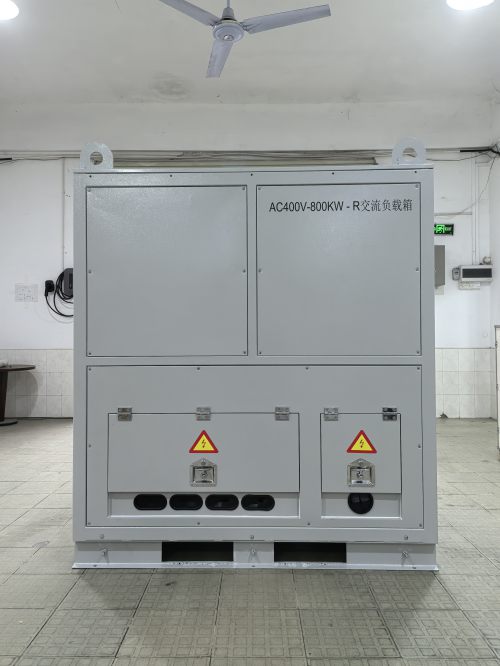
In one anonymous case study, a 500 kW diesel generator was tested using a 400 kW resistive load bank over a 12-hour period. The test validated steady-state voltage regulation within ±2% and confirmed engine response to sudden load changes, which improved operational confidence before grid integration. Based on our experience, consistent load testing reduces unexpected failures by up to 60%, particularly in mission-critical environments.
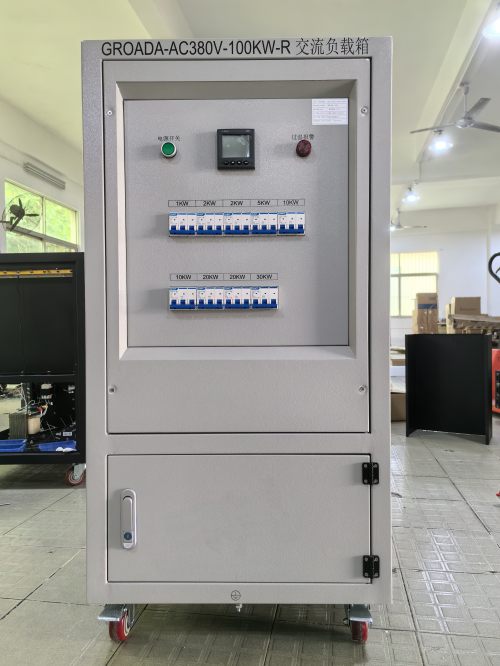
In conclusion, matching the load bank type to the application—resistive for basic checks, reactive for power factor studies, and combined for full-system validation—is key. Proper selection, safety compliance, and regular calibration directly impact system uptime, asset lifespan, and overall operational trustworthiness.