
When testing generators, uninterruptible power supplies (UPS), or microgrids, selecting the appropriate load bank is critical to ensuring reliability, safety, and performance validation. A load bank simulates real-world electrical loads, allowing engineers to verify that a power source can handle its intended operating conditions—whether in a factory acceptance test, commissioning phase, or routine maintenance.
There are four main types of load banks: resistive, reactive (inductive or capacitive), and combined RLC (resistive-inductive-capacitive). Resistive load banks are the most common—they convert electrical energy into heat using precision resistors, making them ideal for testing generator output capacity and fuel efficiency. Reactive load banks simulate inductive or capacitive loads, such as motors or transformers, which is essential for evaluating power factor and voltage regulation under non-linear loads. Combined RLC load banks offer comprehensive testing by applying all three load types simultaneously, mimicking actual utility or industrial load profiles.
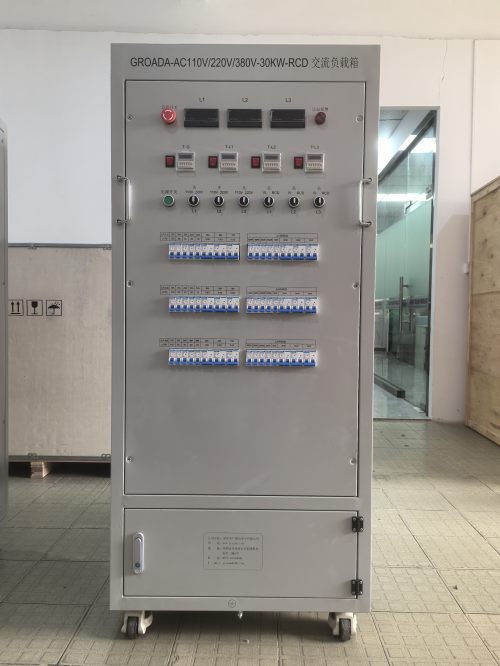
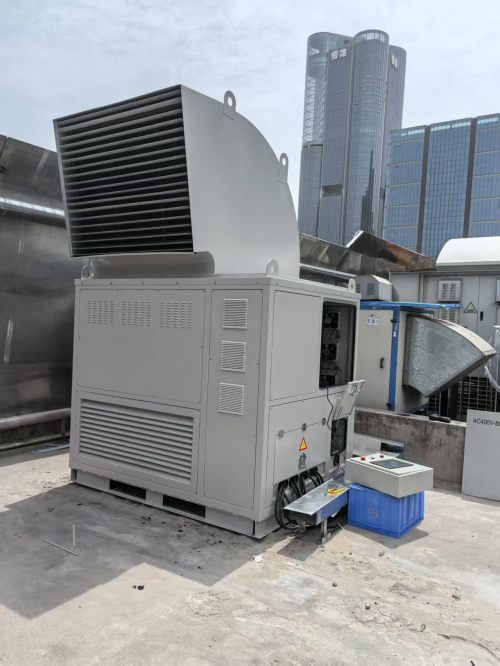
For applications like diesel generator set testing, portable load banks with high power density and ruggedized enclosures are preferred. These units often feature IP54 protection ratings, E-STOP functionality, over-temperature and short-circuit protection, and compliance with IEC 60034-1 and UL/CE standards. Calibration every 12 months ensures accuracy, while fan replacement cycles typically range from 3–5 years depending on usage intensity.
A simulated case study from a renewable energy project in Germany showed that using a 1 MW three-phase resistive-reactive load bank enabled early detection of voltage instability during grid synchronization of a wind farm. The test confirmed the need for improved AVR (Automatic Voltage Regulator) settings before full integration. Similarly, an anonymous case study involving a hospital’s backup generator revealed that regular load testing with a 200 kW portable unit prevented unexpected failures during a blackout, highlighting the importance of proactive load testing.
In summary, choosing the right load bank depends on the specific application—generator sizing, UPS validation, or grid interconnection—and must align with relevant international standards, safety protocols, and operational requirements.