
Resistive load banks are essential tools for verifying the performance, reliability, and safety of electrical power systems such as diesel generators, gas turbines, and uninterruptible power supplies (UPS). These devices simulate real-world electrical loads by converting electrical energy into heat through precision resistors, enabling engineers to test equipment under full-load conditions without actual power consumption. A typical resistive load bank can be configured for single-phase or three-phase operation and is often used in factory acceptance tests (FAT), site commissioning, and preventive maintenance programs.
One practical application involves testing backup generators before installation at critical infrastructure sites—such as hospitals, data centers, or industrial facilities—to ensure they can deliver rated power continuously. For example, during a simulated 48-hour load test at a hospital’s emergency power system, a 100 kW resistive load bank was applied at 100% capacity, confirming that the generator maintained voltage regulation within ±2% and frequency stability within ±0.5 Hz, per IEEE 1547 guidelines. This type of testing prevents costly failures during emergencies.
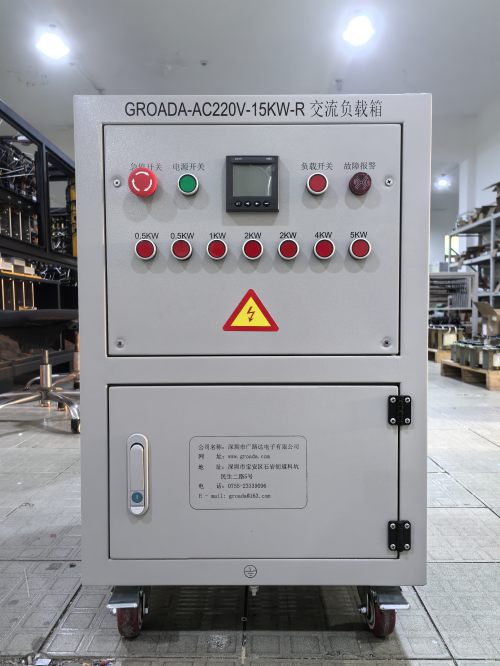
Advantages include precise load control, simplicity of design, and compatibility with both AC and DC systems. Modern portable resistive load banks feature active cooling systems (fans) and ruggedized enclosures rated IP54 or higher, allowing safe outdoor use in harsh environments. They comply with IEC 60034-1 for motor testing standards and carry CE/UL certifications for global market access.
Common questions include: “How do I select the right load bank size?” – match the generator’s kVA rating with at least 100% load capability. “Can it be used for reactive or capacitive testing?” – no; separate reactive or capacitive load banks are required. “Is calibration necessary?” – yes, annually using a calibrated multimeter and clamp meter, following ISO/IEC 17025 procedures.
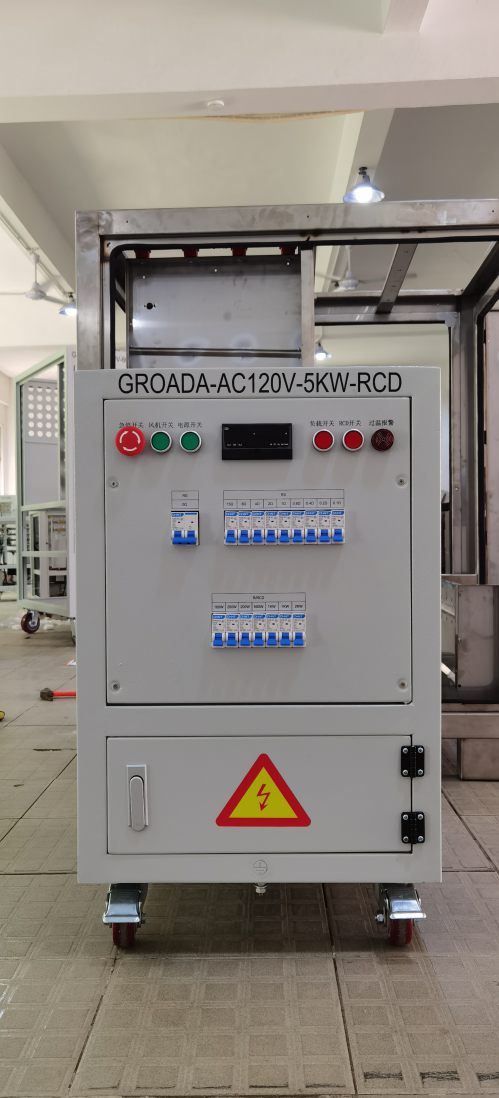
Latest trends show increasing adoption of smart load banks with digital monitoring interfaces, remote diagnostics via Ethernet or cellular connectivity, and integration with SCADA systems for automated load testing protocols—an advancement supported by IEC 61000-4-29 for electromagnetic compatibility.