
When testing generators, uninterruptible power supplies (UPS), or microgrids, selecting the appropriate load bank is critical to ensuring reliability, efficiency, and compliance with international standards. A load bank simulates electrical loads to verify system performance under real-world conditions—whether during factory acceptance tests, commissioning, or routine maintenance.
The first step in choosing a load bank is understanding the type of load required. Resistive load banks are the most common, providing purely resistive (real) power consumption and ideal for verifying generator output capacity, cooling systems, and fuel efficiency. Reactive load banks introduce inductive or capacitive reactance, enabling testing of reactive power handling—essential for voltage regulation in industrial and utility applications. Combined RLC (resistive-inductive-capacitive) load banks offer comprehensive testing by applying both real and reactive loads simultaneously, which is crucial for full-load validation of three-phase systems.
Portable load banks are increasingly preferred in field applications due to their mobility and ease of setup. They often feature IP54-rated enclosures for dust and water resistance, built-in lifting points for safe transport, and modular designs that allow scalability from 10 kW to over 2 MW. Safety features such as automatic over-temperature protection, short-circuit protection, and emergency stop (E-STOP) switches are mandatory in modern units and must comply with CE, UL, or CCC certification depending on regional markets.
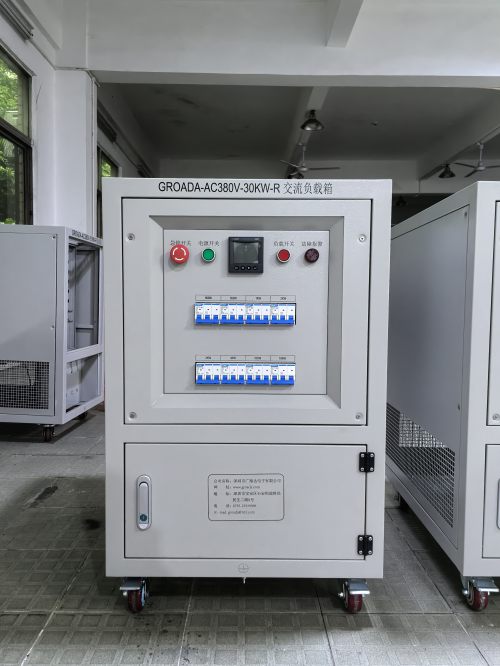
Calibration is another key factor—load banks should be calibrated annually using traceable standards like those from NIST or national metrology institutes. Consumables such as resistor elements and cooling fans typically require replacement every 3–5 years based on usage intensity. Regular maintenance logs and spare parts kits (e.g., fuses, connectors, control modules) improve operational uptime and reduce unexpected failures.
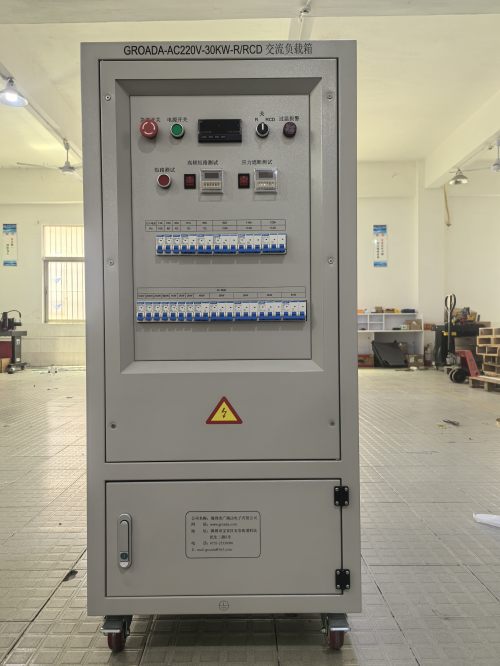
Real-world examples support this approach: In a simulated case study involving a 500 kW diesel generator for a remote mining site, an RLC load bank was used to simulate peak demand (75% resistive + 25% reactive). The test revealed inadequate cooling at sustained loads—a finding later corrected through fan upgrades. Similarly, a 1 MW UPS system for a data center underwent 24-hour continuous load testing using a portable resistive bank, confirming stable output and battery endurance without thermal stress.
In conclusion, proper selection and operation of load banks ensure power system resilience, prevent costly downtime, and align with IEC 60034-1 and IEEE 1159 standards for motor and power quality testing. Engineers must consider load type, portability, safety, calibration, and application-specific requirements to make informed decisions.










