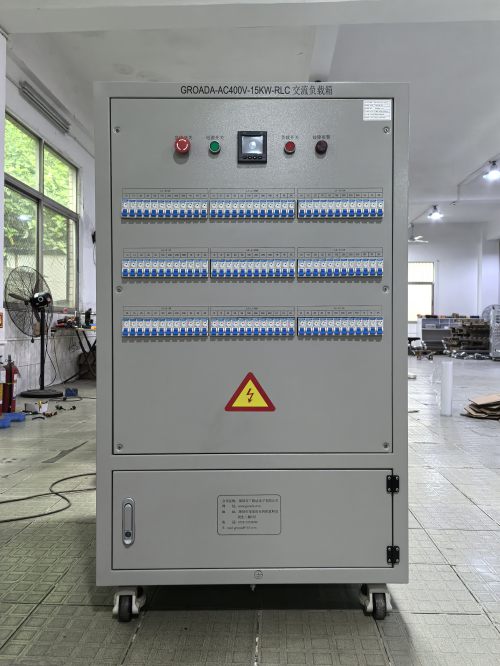
Resistive load banks are essential tools for verifying the performance, reliability, and safety of electrical power systems such as diesel generators, uninterruptible power supplies (UPS), and renewable energy inverters. These load banks simulate real-world resistive loads by converting electrical energy into heat through precision-engineered resistors. This process allows engineers to test a generator’s ability to handle full load conditions without relying on actual site consumption, making them indispensable during factory acceptance testing (FAT), commissioning, and preventive maintenance.
A typical resistive load bank operates by drawing current in phase with voltage, producing pure active power (kW) without reactive components. For three-phase systems, balanced loading across all phases ensures uniform stress distribution, minimizing thermal imbalances that could lead to premature wear. According to IEC 60034-1, motors and generators must be tested under full-load conditions to verify torque, temperature rise, and efficiency — tasks that resistive load banks fulfill reliably.
Safety is paramount; modern units include features like over-temperature protection, short-circuit detection, and grounding compliance with UL/CE standards. Many portable models offer IP54 ratings for dust and water resistance, enabling use in harsh environments like construction sites or remote power stations. For example, in an anonymous case study, a 500 kW resistive load bank was used to validate a backup generator at a data center before installation. The test revealed a 3% drop in voltage regulation under full load — prompting adjustments to the AVR system — which would have otherwise caused failures during critical outages.
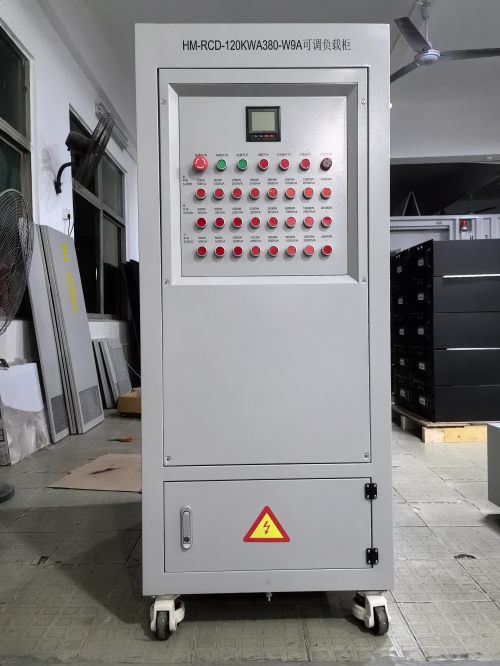
Maintenance involves annual calibration using certified DC resistance standards and replacement of resistor elements every 5–7 years depending on usage intensity. Fans and cooling systems should be cleaned quarterly to maintain thermal performance. Key spare parts include fuses, contactors, and thermocouples, often included in service kits.
Based on our experience, resistive load banks remain the most widely adopted type due to their simplicity, cost-effectiveness, and compatibility with nearly all AC power sources. They form the foundation for more advanced RLC (resistive-inductive-capacitive) load testing when combined with reactive components.