
Resistive load banks are essential tools for verifying the performance, reliability, and safety of electrical power systems such as diesel generators, uninterruptible power supplies (UPS), and renewable energy inverters. These load banks simulate real-world electrical loads by converting electrical energy into heat through resistive elements—typically made of high-temperature alloy resistors. The primary function is to test the ability of a power source to deliver stable voltage and current under full-load conditions, ensuring that it meets manufacturer specifications and regulatory standards like IEC 60034-1 for generator testing or IEEE 1159 for power quality.
During a typical test, a resistive load bank can be applied in stages—25%, 50%, 75%, and 100% of rated capacity—to assess how the system responds dynamically. For example, in a factory acceptance test (FAT) for a 500 kVA generator, a 500 kW resistive load bank would be used to confirm that the engine maintains RPM stability and voltage regulation within ±2% under full load. This type of test helps identify issues such as poor fuel delivery, inadequate cooling, or weak excitation systems before deployment.
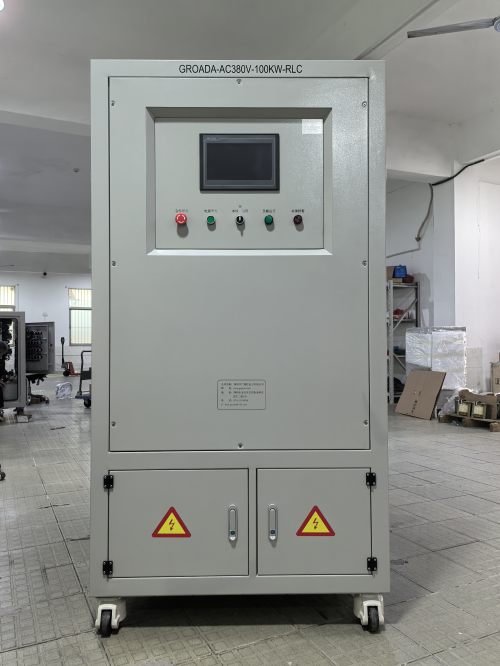
Modern resistive load banks often include built-in control systems with digital displays, remote monitoring via Ethernet or RS485, and automatic load shedding if temperature thresholds are exceeded. Safety features include grounding terminals, over-temperature protection, short-circuit protection, and emergency stop (E-STOP) buttons—all crucial for compliance with CE, UL, and CCC certification requirements. Portable models typically feature IP54-rated enclosures and lifting rings for safe transport across construction sites or utility substations.
Maintenance involves regular calibration every 12 months using certified reference standards (e.g., Fluke 5720A multimeter), inspection of resistor coils for oxidation, and cleaning of cooling fans. Replacement intervals for resistors vary based on usage but generally range from 3–5 years under heavy-duty conditions. A recommended spare parts list includes fuses, fan assemblies, and thermal sensors.
Based on field data from an anonymous case study involving a 200 kVA UPS system in a data center, resistive load testing revealed a 1.5% voltage drop at 100% load due to undersized cables—a critical finding that led to immediate infrastructure upgrades. Such proactive validation reduces downtime risks and extends equipment life.









