
Testing the performance and reliability of generators and uninterruptible power supply (UPS) systems is essential for ensuring operational continuity in critical infrastructure. One of the most effective methods to verify system integrity under real-world load conditions is through resistive load bank testing. This method simulates electrical loads using high-power resistors that convert electrical energy into heat, allowing engineers to evaluate voltage regulation, frequency stability, cooling system efficiency, and overall system response.
Why Resistive Load Banks Are Essential
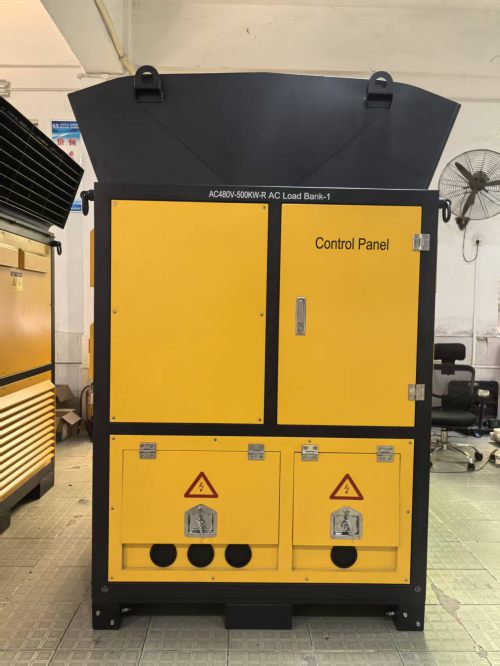
Resistive load banks are ideal for evaluating the thermal and mechanical stress on power generation equipment. Unlike reactive or capacitive loads, which test reactive power handling, resistive loads focus on active power consumption—mirroring typical industrial and commercial loads such as lighting, heating, and motors. According to IEC 60034-1, generator performance must be validated across a range of resistive loads to ensure compliance with torque and temperature limits during full-load operation.
Common Applications
- Factory Acceptance Testing (FAT): Verifying generator output before delivery.
- Preventive Maintenance: Ensuring long-term reliability of standby power systems.
- Grid Connection Testing: Validating synchronization and load-sharing capabilities in microgrids or renewable energy systems.
- UPS Load Testing: Confirming battery backup duration and inverter functionality under realistic conditions.
A simulated case study from a data center project showed that a 250 kW three-phase resistive load bank revealed a 7% drop in output voltage at full load, prompting immediate adjustments to the governor settings. This preventive measure avoided potential downtime during an actual outage.
Key Technical Features
- Load Range: Typically 10–100% of rated generator capacity
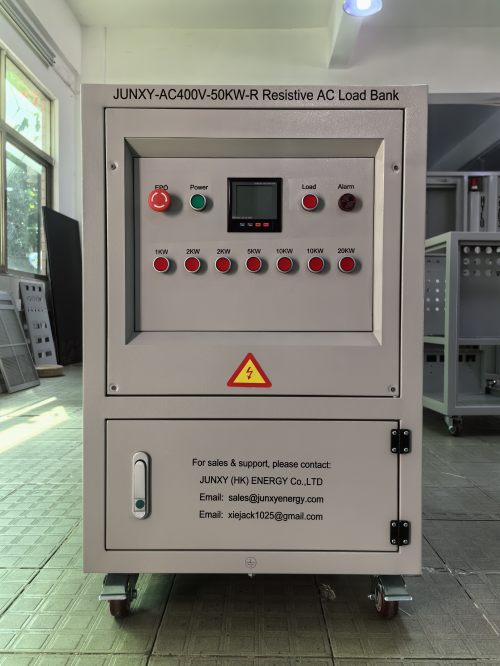
- Protection Systems: Over-temperature sensors, short-circuit protection, E-STOP buttons
- Portability: Designed with IP54 rating, lifting lugs, and fork-lift slots for easy transport
- Calibration: Required annually using NIST-traceable standards; resistor replacement every 5 years based on usage intensity
Manufacturers like AMETEK and Megger recommend regular testing per IEEE 1159 standards for power quality verification in sensitive environments. Properly maintained resistive load banks ensure safety, compliance, and extended equipment lifespan.