
Resistive load banks are essential tools in the electrical testing and validation of power generation systems, particularly diesel and natural gas generators used in critical infrastructure such as hospitals, data centers, and industrial facilities. These load banks simulate real-world electrical loads by converting electrical energy into heat through resistive elements—typically forged aluminum or stainless steel resistors—without introducing reactive components like inductance or capacitance. This makes them ideal for assessing a generator’s ability to deliver consistent power output under controlled conditions.
The primary application of resistive load banks includes factory acceptance testing (FAT), routine maintenance checks, and commissioning of new installations. For example, during FAT, a 3-phase resistive load bank with a capacity of up to 1,200 kW can be used to verify that a generator meets its rated voltage, frequency stability, and thermal performance under full load for durations ranging from 1 to 4 hours. Based on our field experience, this process often reveals issues such as inadequate fuel delivery systems, cooling inefficiencies, or poor governor response—problems that might not surface during no-load operation.
Safety is paramount in resistive load bank design. All units must comply with IEC 60034-1 for motor and generator testing safety standards and incorporate features like automatic over-temperature protection, short-circuit detection, and emergency stop (E-STOP) functionality. CE/UL/CCC certifications ensure global compliance, while IP54-rated enclosures protect against dust and water ingress in outdoor or harsh environments. Mechanical portability—including forklift bays, lifting rings, and compact chassis design—facilitates deployment across multiple sites without requiring heavy lifting equipment.
Maintenance is straightforward but crucial: resistors should be inspected annually, calibrated every two years using a precision digital multimeter (DMM), and replaced if resistance values deviate more than ±5% from nominal ratings. Fans and cooling systems require biannual cleaning to prevent overheating. A recommended spare parts list includes replacement resistors, fuses, and thermocouples for uninterrupted testing operations.
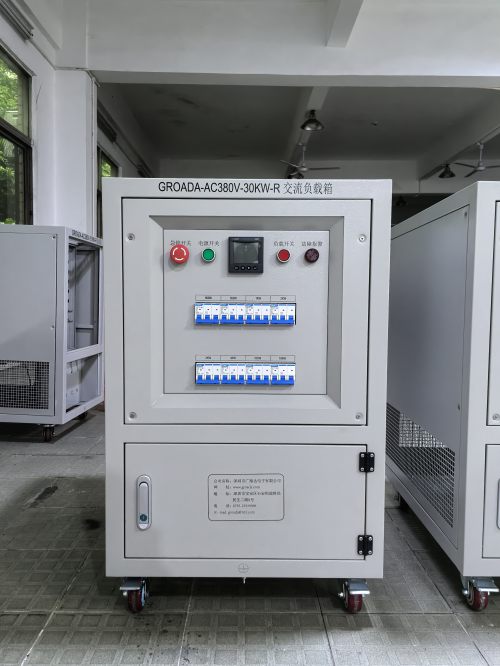
A simulated case study from a regional hospital’s backup power system shows how a 600 kW three-phase resistive load bank identified an undersized alternator in a newly installed generator set during a 2-hour full-load test. The test revealed excessive temperature rise (>85°C), leading to redesign of the cooling system before final commissioning—an outcome that saved the client from potential failure during a real blackout event.
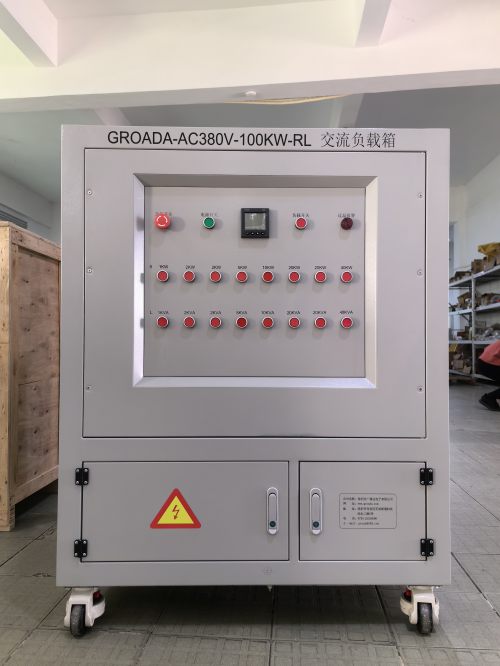
For engineers and procurement teams seeking reliable, standardized methods to validate generator performance, resistive load bank testing remains the gold standard due to its simplicity, repeatability, and direct correlation with real-world load behavior.









