
Testing the performance and reliability of generators and uninterruptible power supply (UPS) systems is critical in industrial, commercial, and utility environments. A resistive load bank is a specialized electrical device used to simulate real-world electrical loads during testing, allowing engineers to validate system capacity, efficiency, and stability under controlled conditions. This article explores how resistive load banks support generator acceptance tests, UPS validation, and power quality assurance while adhering to international safety standards.
Why Resistive Load Banks Matter
Unlike reactive or capacitive loads, resistive load banks convert electrical energy directly into heat through precision resistors—making them ideal for evaluating thermal stress, cooling system effectiveness, and voltage regulation. They are commonly used in factory acceptance testing (FAT), commissioning, and periodic maintenance of diesel or natural gas-powered generators. According to IEC 60348, such tests must be performed using certified load equipment to ensure consistent results across installations globally.
Key Applications
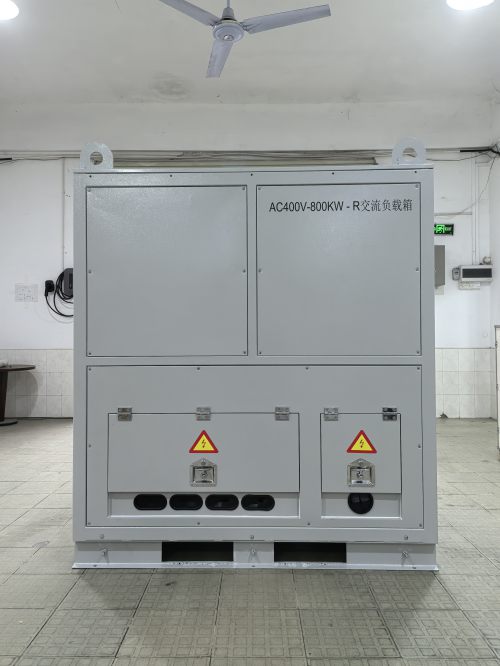
- Generator Load Testing: Simulate full-load conditions to verify output stability, fuel consumption, and emissions compliance.
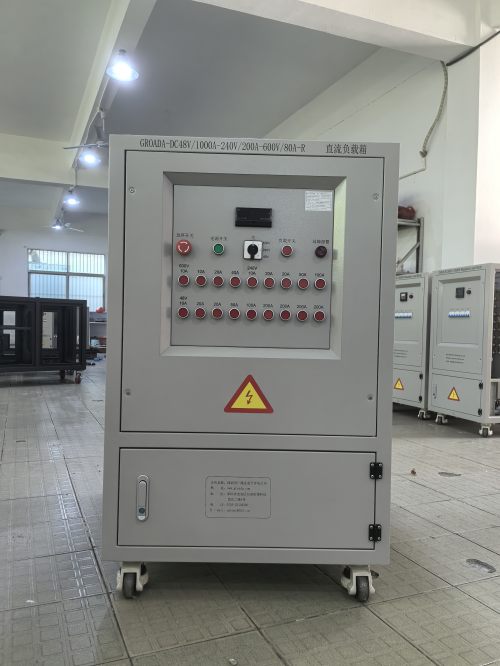
- UPS System Validation: Confirm backup runtime and load handling capability before critical infrastructure deployment.
- Microgrid Integration: Validate islanding behavior and synchronization with grid-tied inverters.
Safety Features and Standards Compliance
Modern resistive load banks integrate multiple safety mechanisms including short-circuit protection, over-temperature shutdowns, emergency stop buttons, and grounding systems compliant with UL 1598 and CE marking requirements. For example, a 500 kW three-phase unit typically includes IP54-rated enclosures and automatic fan control to prevent overheating during extended tests.
Design and Portability Considerations
These units range from compact portable models (e.g., 100–300 kW) weighing under 200 kg for field use, to fixed installations exceeding 1 MW for industrial facilities. Chassis designs often feature lifting eyes and fork lift points for safe handling. Based on our experience, portable load banks with integrated digital controllers (e.g., RS485 communication) reduce setup time by up to 40% compared to manual systems.
Calibration and Maintenance Best Practices
Load banks should be calibrated annually using traceable reference standards per ISO/IEC 17025. Consumables like resistor elements may require replacement every 5–7 years depending on usage intensity. Recommended spare parts include fuses, contactors, and thermocouples.
Case Study: Generator Factory Acceptance Test
In a simulated example involving a 1,000 kVA diesel generator, a resistive load bank applied 100% load for 4 hours. Parameters measured included voltage regulation (±2%), frequency deviation (<0.5 Hz), and exhaust temperature rise. Results confirmed compliance with IEEE 1155 specifications, enabling project sign-off within 2 days of test completion.









