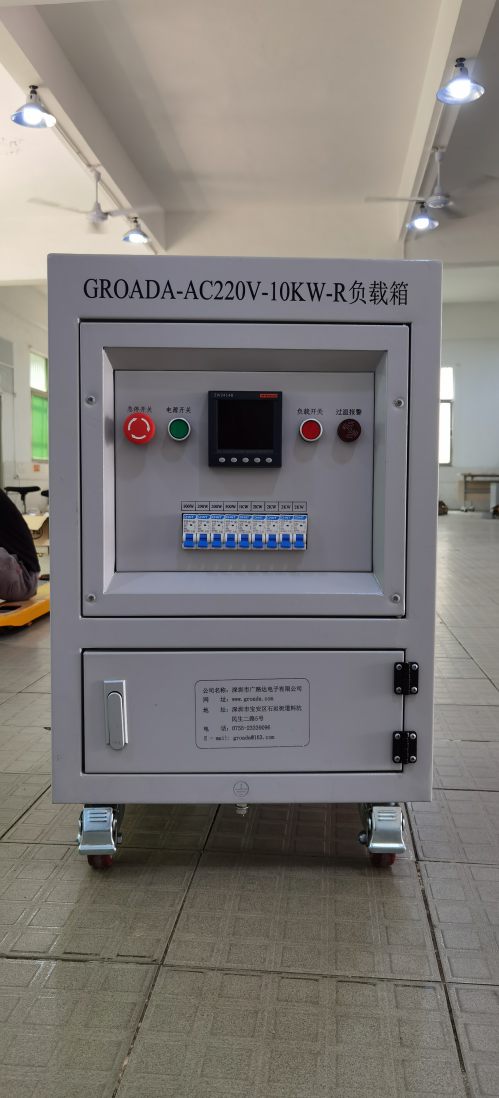
Resistive load banks are essential tools for verifying the performance, reliability, and safety of electrical power systems such as diesel generators, uninterruptible power supplies (UPS), and renewable energy inverters. These load banks simulate real-world electrical loads by converting electrical energy into heat through resistive elements—typically made of high-temperature alloy resistors. The primary function is to test a generator’s ability to maintain voltage and frequency under varying load conditions, ensuring it can handle full-rated output without overheating or mechanical stress. For UPS systems, resistive load testing confirms that battery backup capacity and inverter functionality meet design specifications.
Load banks come in three main types: passive (fixed resistance), active (regenerative), and combined (resistive-reactive-capacitive). Passive load banks dissipate energy as heat, requiring proper ventilation and cooling. Active load banks return energy to the grid, improving efficiency and reducing thermal load on the system. Combined RLC load banks allow engineers to test both real (resistive) and reactive power components—critical for evaluating harmonic distortion and power factor correction in modern power electronics.
Safety standards such as IEC 60034-1 (for motor and generator testing) and IEEE 1547 (for distributed energy resources) govern design and operation. Equipment must include grounding, short-circuit protection, over-temperature sensors, and emergency stop (E-STOP) mechanisms. CE, UL, and CCC certifications ensure compliance with regional electrical safety regulations.
A simulated case study from a data center project shows a 100 kW resistive load bank used to test a 125 kVA generator over 8 hours at 75% load. Voltage regulation stayed within ±2%, confirming adequate governor response and cooling system performance. This type of test prevents unexpected failures during critical operations.
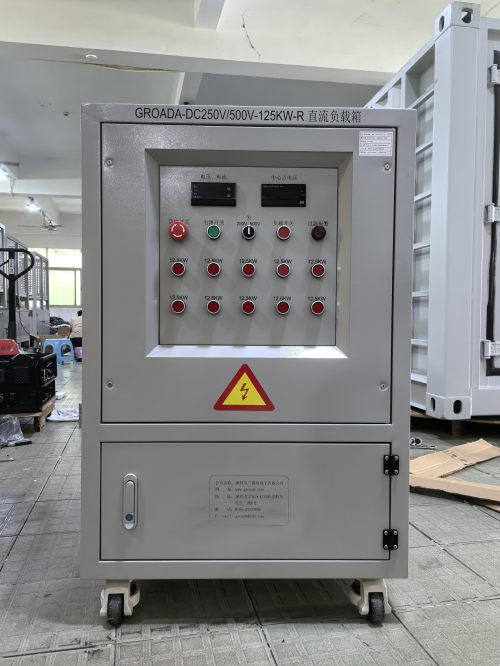
Maintenance includes annual calibration using certified reference standards and replacement of resistors every 5–10 years based on usage intensity. Fans and cooling systems should be inspected quarterly to avoid airflow obstruction.
Portable designs with IP54 enclosures and lifting points facilitate easy deployment across construction sites, remote facilities, and industrial plants.